
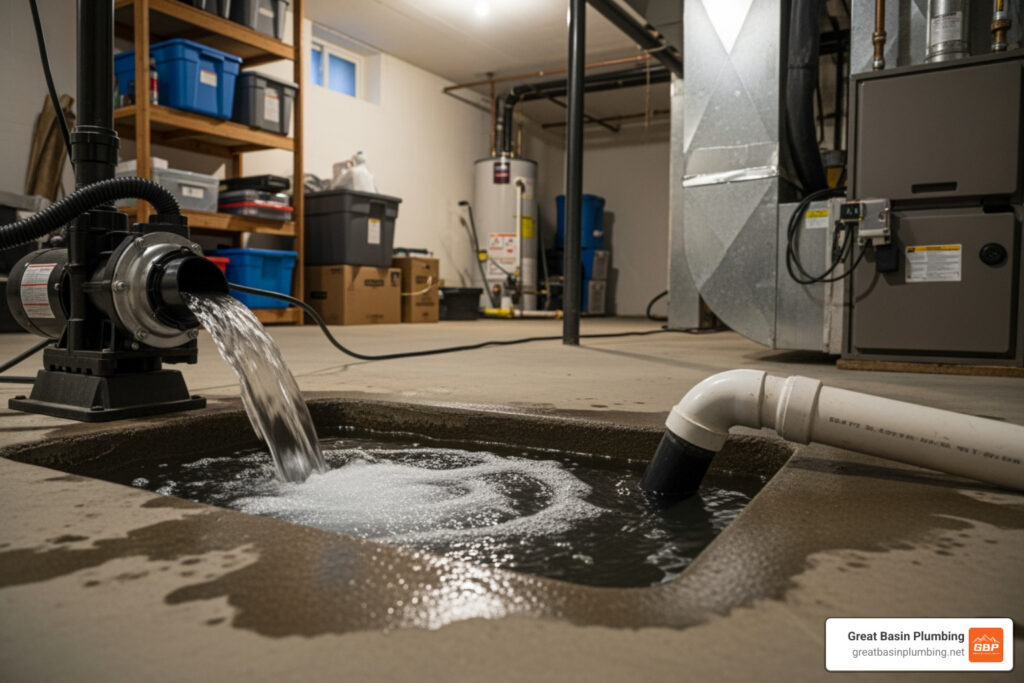
Why Your Home Needs a Reliable Sump Pump Repair Company
A sump pump repair company can save your home from thousands of dollars in water damage, mold growth, and foundation problems. Here’s what to look for when hiring one:
Key Qualities of a Trusted Sump Pump Repair Company:
- Experience & Expertise – Look for contractors with a proven track record in sump pump installation and repair
- Licensing & Insurance – Verify they carry proper credentials and liability coverage
- Upfront Pricing – Reputable companies provide clear estimates before starting work
- Emergency Availability – Water damage doesn’t wait, so 24/7 service matters
- Warranty & Guarantees – Quality work should come with protection for your investment
Many homeowners don’t think about sump pump maintenance until they’re “standing ankle-deep in their flooded basement,” but proactive service prevents these costly emergencies. In areas with frequent rainfall, high water tables, or older homes with inadequate drainage, a functioning sump pump isn’t just nice to have—it’s essential protection for your property.
The average sump pump lasts 7-10 years with regular maintenance. Repair costs typically range from $150 to $550, while a new installation runs between $500 and $1,500 depending on pump type, basement access, and electrical requirements. Understanding these costs helps you budget for this critical home system.
Whether you’re dealing with strange noises, frequent cycling, visible rust, or complete pump failure, choosing the right contractor makes all the difference. More experienced companies may charge higher rates, but they bring reliability and expertise that less experienced contractors can’t match.
I’m Reese Mitchell, owner of Great Basin Plumbing, and I’ve helped countless Sandy-area homeowners protect their properties from water damage through proper sump pump installation and maintenance. Choosing the right sump pump repair company ensures your system is correctly sized, safely installed, and ready to protect your home when you need it most.
Your Sump Pump Explained: The First Line of Defense Against Flooding
When you consider the potential devastation of basement flooding, the humble sump pump quickly becomes one of your home’s most valuable assets. It’s not just a piece of equipment; it’s your first line of defense, tirelessly working to prevent water damage, manage groundwater, protect your foundation, and ward off insidious mold growth. In places like Utah, where we experience heavy snowmelt and spring runoff, a reliable sump pump is crucial for maintaining your property’s value and structural integrity.
What is a Sump Pump and Why is it Essential?
At its core, a sump pump is a mechanical device installed at the lowest point of your home—typically in a basement or crawl space. Its primary purpose is to automatically remove excess water that collects around your foundation and direct it away from your property. Think of it as your home’s personal bouncer, politely but firmly showing unwanted water the door.
Why is this so essential for homeowners, especially in areas of Utah prone to fluctuating groundwater levels or heavy precipitation? Without a functioning sump pump, that accumulating water can seep through foundation cracks, leading to a cascade of costly problems:
- Preventing Water Damage: This is the most obvious benefit. A sump pump keeps your basement or crawl space dry, protecting finished basements, stored valuables, and essential appliances like furnaces and water heaters from ruin.
- Protecting Your Home’s Foundation: Constant water pressure against your foundation walls (known as hydrostatic pressure) can lead to cracks and structural damage over time. The sump pump alleviates this pressure, safeguarding your home’s very bones.
- Stopping Mold and Mildew Growth: Excess moisture is mold’s best friend. By keeping your basement dry, a sump pump drastically reduces the risk of mold and mildew, which can cause respiratory issues and deteriorate indoor air quality. According to the EPA, mold exposure can cause a variety of health effects, making prevention crucial.
- Safeguarding Basement and Crawl Space: These often-overlooked areas are critical to your home’s health. A dry basement prevents musty odors and creates a healthier living environment upstairs.
- Structural Integrity: Long-term water issues can compromise the structural integrity of your home. A sump pump is a proactive measure to ensure your home remains sound and stable.
For homes in Sandy, Salt Lake City, Ogden, Orem, and throughout Utah County, where we see significant snow in winter and sometimes heavy spring rains, a sump pump isn’t a luxury; it’s a necessity.
How a Sump Pump Works to Keep Your Home Dry
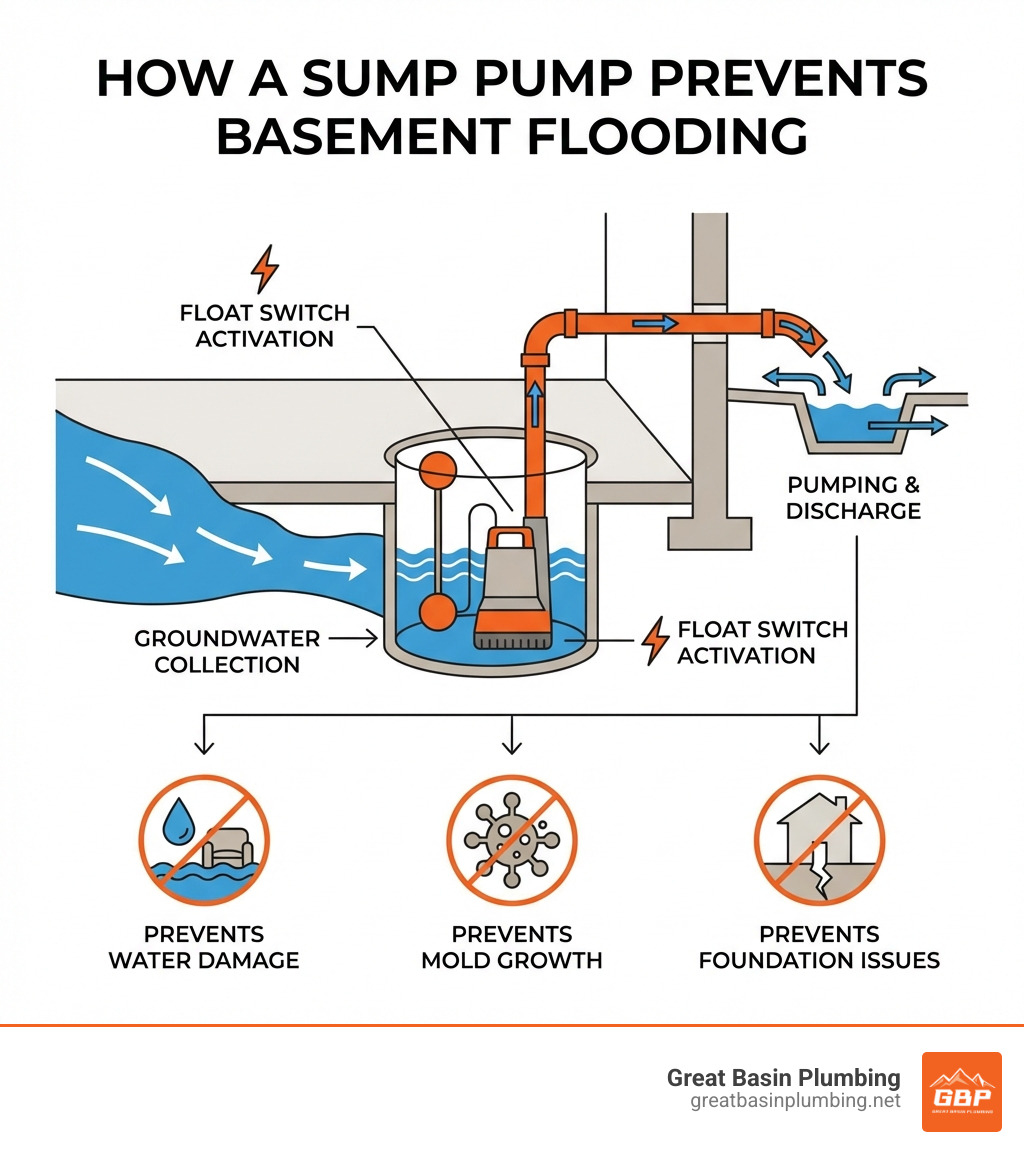
Understanding how a sump pump operates can help you appreciate its silent guardian role. It’s a surprisingly simple yet incredibly effective system:
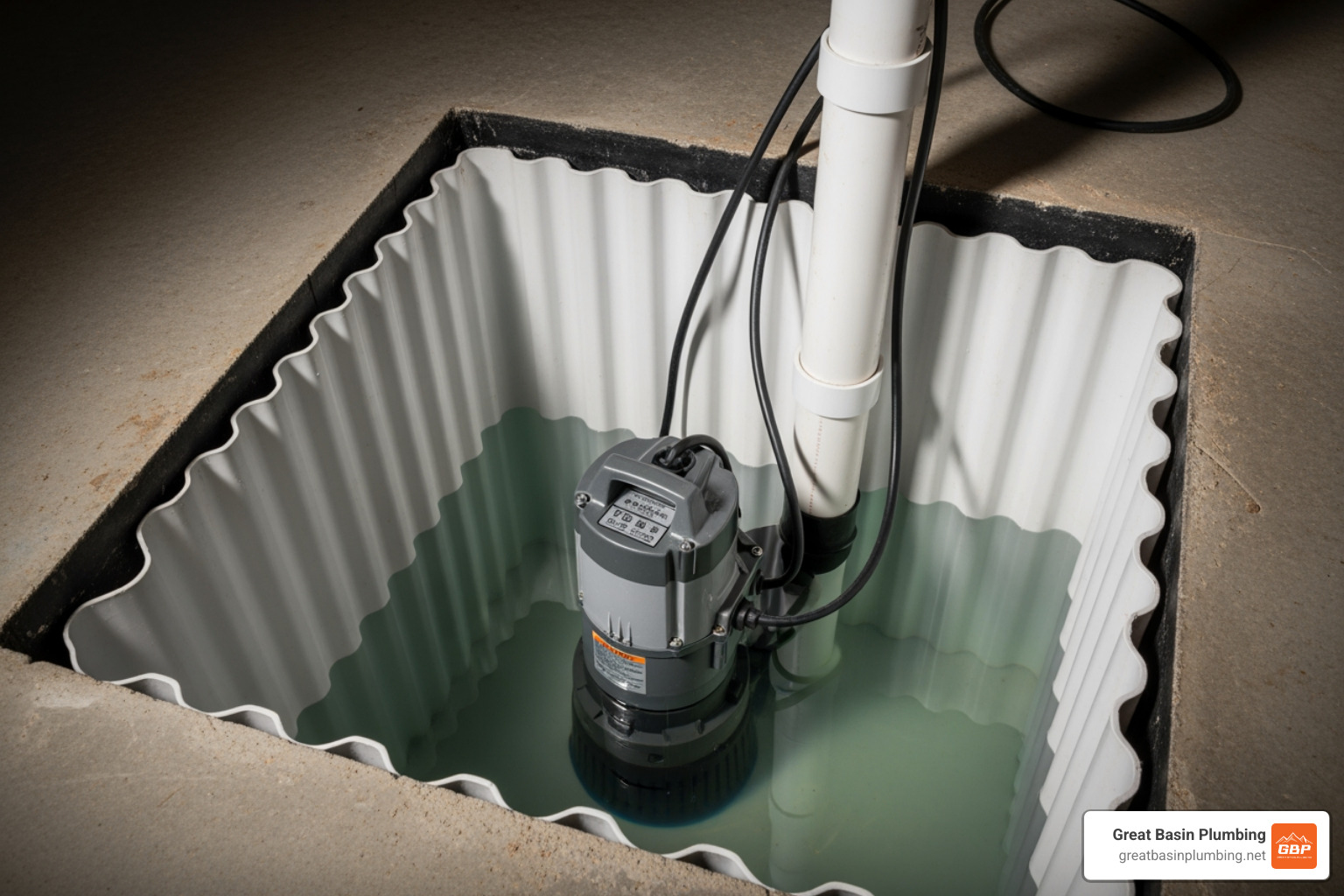
- Sump Pit Location: The journey begins with the sump pit, also known as a sump basin. This is a hole, usually located in the lowest part of your basement or crawl space, where water naturally collects.
- Water Collection: As groundwater rises or water seeps through your foundation, it flows into this sump pit.
- Float Switch Activation: Inside the pit, the sump pump is equipped with a specialized sensor or float switch. As the water level in the pit rises, this float switch is triggered.
- Pump Mechanism: Once activated, the pump’s motor kicks into action. It draws the collected water from the pit.
- Discharge Pipe Function: The pumped water is then pushed through a discharge pipe. This pipe is routed away from your home, typically to a storm drain, dry well, or other designated drainage area, ensuring the water doesn’t simply flow back into your foundation.
This entire process happens automatically, often without you even realizing it, providing continuous protection against potential flooding. We offer comprehensive plumbing services that include expert sump pump installation and repair, ensuring this critical system is always ready to perform.
Choosing the Right Sump Pump: Types and Sizing Factors
Selecting the appropriate sump pump is crucial for effective flood protection. There are two main types of sump pumps, each with its own advantages, plus essential backup systems to consider.
| Feature | Submersible Pump | Pedestal Pump |
|---|---|---|
| Pros | – Quieter operation (motor submerged in water) | – Motor above water, easier to access for repairs |
| – Less prone to clogging (sealed unit) | – Longer lifespan (motor not exposed to water) | |
| – Takes up less space in the pit | – Generally less expensive | |
| Cons | – More difficult to access for repairs/maintenance | – Louder operation |
| – Shorter motor lifespan (heat dissipation can be an issue) | – Takes up more space in the sump pit | |
| – Generally more expensive | – More susceptible to debris clogging | |
| Best For | – Basements where noise is a concern | – Basements/crawl spaces where noise is not an issue |
| – Handling debris and sediment more effectively | – Limited space in the sump pit (motor outside) | |
| – Deeper pits | – Less frequent use or lighter water flow |
Beyond the primary pump, we always recommend considering backup systems:
- Battery Backup Systems: These are vital for continued operation during power outages, which are common during heavy storms in Utah. A battery backup system ensures your pump keeps running even when the electricity fails, protecting your home when it’s most vulnerable.
- Water-Powered Pumps: An alternative to battery backups, these systems use your home’s water pressure to create a suction that removes water from the sump pit. They don’t rely on electricity, offering a reliable, albeit slower, backup.
When it comes to sizing, it’s not a one-size-fits-all situation. Several factors determine the right pump for your home:
- Horsepower (HP): Sump pumps typically range from 1/4 HP to 1+ HP. The greater the horsepower, the more water the pump can move.
- Gallons Per Hour (GPH): This measures the pump’s capacity to move water. Higher GPH is needed for areas with heavy water intrusion.
- Basement Size: Larger basements generally require higher capacity pumps.
- Local Rainfall Levels and Groundwater: Homes in areas with frequent heavy rainfall or high water tables (like many parts of Utah near rivers or lakes, or areas with significant snowmelt) will need a more robust system.
- Discharge Pipe Size and Elevation: The distance and height the water needs to be pumped away also influence the required pump strength.
Choosing the right pump involves a careful assessment of these factors. Our expert technicians can help you determine the ideal type and size for your specific home and local conditions, whether you’re in Brigham City, Draper, or anywhere else in our service areas.
Sump Pump Problems & Maintenance: A Homeowner’s Checklist
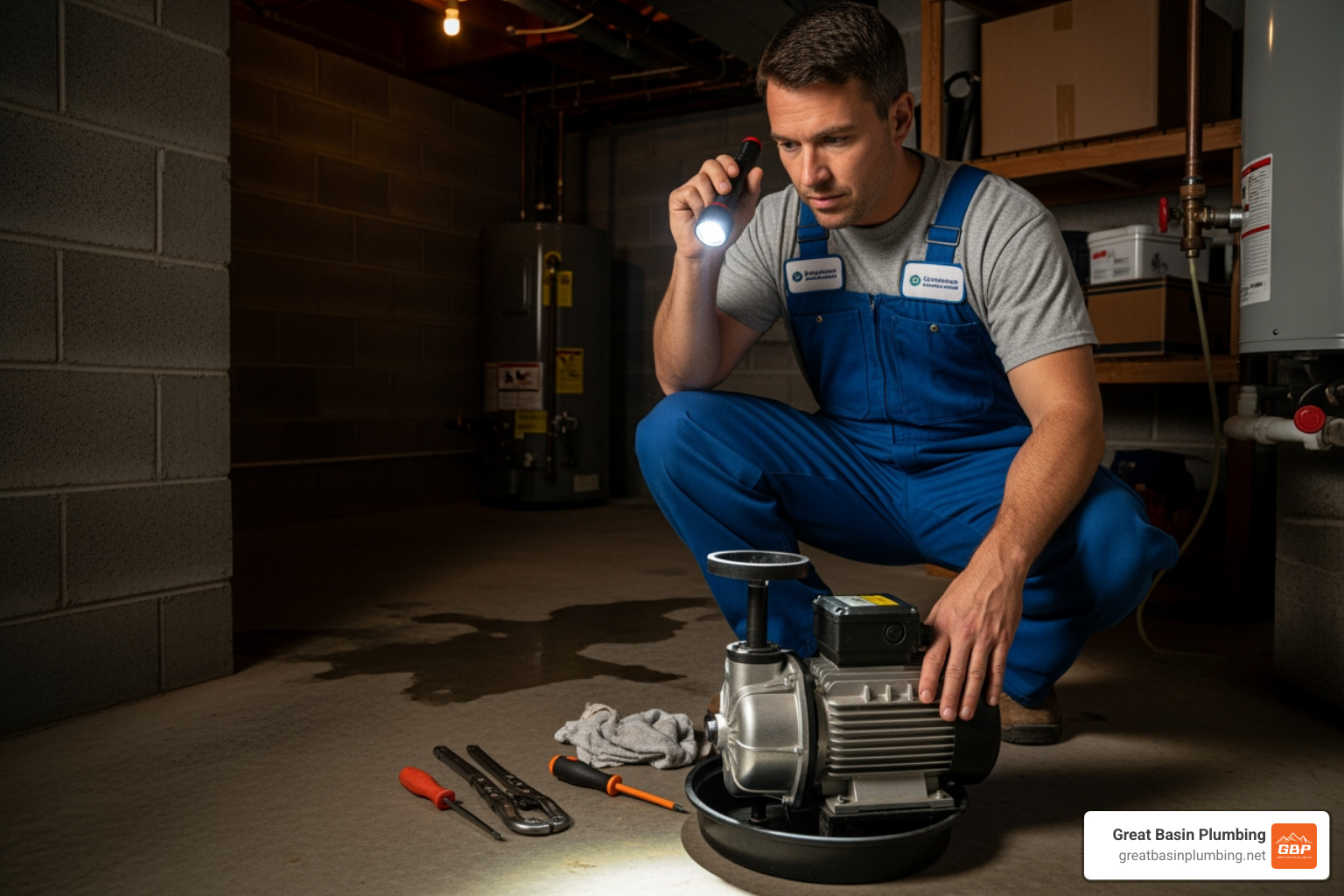
Even the most robust sump pump can encounter issues, and recognizing these problems early can save you from a flooded basement. Just like any other appliance, a sump pump has a lifespan and requires attention to perform optimally. Most sump pumps last 7-10 years with regular care, but ignoring maintenance can drastically shorten this.
Warning Signs Your Sump Pump Needs Repair or Replacement
Being aware of these common indicators can help you catch a problem before it escalates into a full-blown emergency:
- Unusual Noises: If your pump starts making grinding, rattling, gurgling, or thumping sounds, it’s often a sign of a failing motor, a damaged impeller, or debris caught within the unit.
- Frequent Cycling: A pump that turns on and off too often, even when there’s no visible water, could indicate a faulty float switch, an improperly sized pump, or a check valve issue.
- Running Continuously: Conversely, if your pump runs non-stop, it might be struggling to keep up with water inflow, have a stuck float switch, or a clogged discharge line. This can lead to motor burnout.
- No Operation: The most alarming sign is a pump that simply doesn’t turn on when water enters the pit. This could be due to power loss, a tripped circuit breaker, a seized motor, or a completely failed float switch.
- Visible Rust or Corrosion: Rust on the pump or in the sump pit can indicate water quality issues or the pump’s age. Corrosion can affect electrical connections and the pump’s overall integrity.
- Motor Failure: The pump’s motor is its heart. If it’s failing, you might notice the pump struggling to eject water, emitting a burning smell, or simply refusing to start.
- Stuck Float Switch: The float switch is what tells the pump when to turn on and off. If it’s obstructed by debris or has failed, the pump won’t activate or deactivate properly.
- Age: As mentioned, most sump pumps last 7-10 years. If yours is approaching or has exceeded this age, and you’re noticing any of the above issues, it’s often more cost-effective to replace it than to repeatedly repair it. Frequent repairs on an older unit are a strong indicator that a replacement is imminent.
DIY Sump Pump Maintenance Tips to Prevent Failure
While complex repairs require a professional sump pump repair company, there are several simple maintenance tasks you can perform to extend your pump’s lifespan and prevent unexpected failures:
- Test the Float Switch: Periodically (especially before spring runoff or heavy rain seasons in Utah), manually lift the float switch to ensure the pump activates. The pump should turn on, pump water out, and then shut off when the float drops.
- Clean the Sump Pit: Over time, dirt, gravel, and other debris can accumulate in the sump pit, potentially clogging the pump’s intake or interfering with the float switch. Carefully remove any obstructions.
- Check the Discharge Line: Ensure the discharge pipe is clear and free of blockages. In colder months, verify it’s not frozen. The end of the pipe should be directed away from your home’s foundation to prevent water from recirculating back into the pit.
- Ensure Clear Drainage Around the Home: Make sure your gutters are clean and downspouts direct water away from your foundation. Proper grading around your home also helps prevent water from entering the basement in the first place.
Performing these checks annually can significantly reduce the risk of unexpected failure. However, for a more thorough inspection and to ensure everything is in top working order, we recommend an annual professional service. This preventive approach is key to extending your sump pump’s lifespan and giving you peace of mind. For more answers to common questions, you can always Check our FAQ page for more answers.
Hiring a Professional Sump Pump Repair Company: What You Need to Know
While DIY maintenance can help, there comes a time when professional expertise is indispensable. When you’re dealing with electrical components, water, and the structural integrity of your home, hiring a qualified sump pump repair company is not just convenient—it’s essential for safety and effectiveness.
When to Call a Sump Pump Repair Company vs. DIY
It’s helpful to know where the line is between a simple homeowner task and a job for the pros:
Simple DIY Tasks (as mentioned above):
- Testing the float switch
- Cleaning the sump pit
- Checking the discharge line for obvious blockages
- Ensuring proper outdoor drainage
When to Call a Professional Sump Pump Repair Company:
- Electrical Issues: Any problem involving wiring, circuit breakers, or the pump’s power source should be handled by a licensed professional to prevent electrical shock or further damage.
- Motor Replacement or Repair: If the pump’s motor is failing, it’s a complex repair that requires specialized tools and knowledge.
- New Installation: Installing a new sump pump, especially if you’re adding one to a home that didn’t have one before, involves excavation, proper sizing, correct plumbing, and electrical work. This is definitely a job for experts to ensure it’s done right and meets all local codes.
- Complex Troubleshooting: If you’ve tried basic troubleshooting and your pump is still acting up (unusual noises, continuous running, not turning on), a professional can accurately diagnose the underlying problem.
- Water-Powered or Battery Backup System Installation: These systems require precise installation to ensure they function correctly when your primary pump or power fails.
- Discharge Line Problems: If your discharge line is constantly clogging, broken, or needs to be rerouted, professional help is needed. Our drain services can help with clogs that might affect your sump pump’s discharge.
For any situation beyond basic visual checks and pit cleaning, we strongly advise contacting a professional. Our team is equipped with the knowledge and experience to handle all sump pump issues, big or small, in Sandy, South Jordan, American Fork, and surrounding Utah communities.
Understanding Sump Pump Repair and Installation Costs
One of the first questions homeowners ask is, “How much will this cost?” We believe in transparent, upfront pricing. Based on industry averages and our experience in the Utah market:
- Average Repair Cost: The average cost to repair a sump pump is around $350, with most homeowners spending between $150 and $550. The exact cost depends heavily on the specific problem. A simple float switch replacement will be on the lower end, while a motor issue or extensive component replacement will be higher.
- Average Installation Cost: The average cost to install a new sump pump is approximately $1,000, with most homeowners spending between $500 and $1,500.
Several factors can influence these costs:
- Pump Type: Submersible pumps are generally more expensive than pedestal pumps due to their sealed design.
- Horsepower and Features: Higher HP pumps or those with advanced features (like integrated alarms or smart home connectivity) will cost more.
- Basement Access: If your basement is difficult to access or requires extensive work to get the pump in place, labor costs can increase.
- Electrical Requirements: If new dedicated electrical circuits are needed, this will add to the installation cost.
- Discharge Routing: The complexity of routing the discharge line away from your home, including trenching or connecting to existing drainage, affects the price.
- Contractor Experience: As the saying goes, “you get what you pay for.” More experienced contractors with strong reputations for quality may charge higher rates, but they typically bring reliability, expertise, and efficiency to the table, potentially saving you money in the long run by preventing repeat issues. Less experienced companies might offer lower prices, but they may provide less reliable and efficient repairs. We always provide upfront pricing so you know what to expect.
The Professional Installation Process and Backup Systems
When you choose a professional sump pump repair company like ours for installation, you’re not just getting a pump; you’re getting a complete, reliable system designed to protect your home. Here’s a typical overview:
- Site Assessment: Our technicians will evaluate your basement or crawl space, considering its size, existing drainage, the local water table, and potential flood risks unique to your Utah home. This helps us recommend the correct pump type and size.
- Pit Excavation: If a sump pit doesn’t already exist, we’ll carefully excavate a pit in the lowest point of your basement to ensure optimal water collection.
- Pump Placement: The sump pump is then carefully placed in the pit, ensuring it’s level and properly positioned for efficient operation.
- Discharge Line Routing: We’ll connect the pump to a discharge line, ensuring it’s properly sealed and routed away from your home’s foundation to an appropriate drainage area. This might involve connecting to a storm drain or even installing a dry well. Our outdoor plumbing services cover discharge lines and other exterior plumbing needs.
- Electrical Connection: The pump is safely connected to a dedicated, GFCI-protected electrical circuit to prevent overloads and ensure safety.
- Testing: Before we consider the job complete, we thoroughly test the system to ensure the pump activates correctly, discharges water efficiently, and the float switch functions as it should.
Backup Options:
During installation, we’ll also discuss crucial backup options:
- Battery Backups: These automatically kick in during a power outage, giving you hours of flood protection. We often recommend these for homes in Utah where winter storms can lead to frequent power interruptions.
- Water-Powered Pumps: These use your home’s water pressure to operate, providing a reliable backup that doesn’t depend on electricity. While they have their own considerations, they are a robust alternative.
Being prepared with a backup system is one of the best “insurance policies” you can have against basement flooding.
Why Choosing the Right Sump Pump Repair Company Matters
Choosing the right sump pump repair company isn’t just about getting the job done; it’s about investing in your home’s long-term protection and your peace of mind. Here’s why our expertise makes a difference:
- Expertise and Experience: Our team brings years of experience specifically in sump pump systems. We understand the nuances of different pump types, common failure modes, and the best solutions for various situations. This expertise ensures accurate diagnosis and effective repairs or installations.
- Correct Sizing and Placement: An improperly sized or poorly placed pump can be as ineffective as no pump at all. Our professionals ensure your pump is perfectly matched to your home’s needs and installed in the optimal location for maximum efficiency.
- Ensuring Code Compliance: Local plumbing and electrical codes are in place for a reason—safety and effectiveness. We ensure all installations and repairs meet or exceed these standards, protecting your home and family.
- Safety: Working with electricity and water carries inherent risks. Our licensed technicians follow strict safety protocols, ensuring the job is done safely and correctly.
- Reliability and Warranty: A professional installation or repair comes with the assurance of quality workmanship and often a warranty. This means you can trust that your system will perform when you need it most, and we stand behind our work.
- Peace of Mind: Knowing that your home is protected by a properly functioning sump pump, installed and maintained by trusted experts, provides invaluable peace of mind, especially during heavy rains or snowmelt.
Don’t wait until you’re dealing with a flooded basement to realize the importance of a reliable sump pump repair company. Learn more about our company and how we prioritize customer satisfaction with every service call.
Frequently Asked Questions about Sump Pump Services
We get a lot of questions about sump pumps, and we’re always happy to provide clear, helpful answers. Here are some of the most common ones:
How much does a typical sump pump repair cost?
The average cost to repair a sump pump is approximately $350, but this can range from $150 to $550. The price largely depends on the specific issue. For instance, replacing a faulty float switch is generally less expensive than repairing or replacing the pump’s motor. More complex electrical issues or extensive component failures will naturally fall on the higher end of the spectrum. We always provide a clear, upfront estimate after diagnosing the problem, so you know exactly what to expect before any work begins.
How often should I have my sump pump serviced?
We recommend having your sump pump professionally serviced at least once a year. This annual maintenance is crucial, especially before the heavy rainy seasons or spring snowmelt in Utah. A professional check-up can identify potential issues before they become major problems, ensuring your pump is in optimal working condition when you need it most. Regular servicing extends the lifespan of your unit, prevents unexpected failures, and ultimately saves you from costly water damage. Consider it a small investment for significant peace of mind.
Is a battery backup sump pump really necessary?
In short, yes, a battery backup sump pump is highly recommended and, in our opinion, often necessary for homes in Utah. Here’s why:
- Power Outages: The primary reason is protection during power outages. Heavy storms, which can bring significant rainfall or snow, often cause power interruptions. Without a backup, your electric sump pump will stop working, leaving your basement vulnerable to flooding.
- Primary Pump Failure: Even if the power stays on, your primary pump can fail due to mechanical issues, debris, or simply age. A battery backup acts as a fail-safe, taking over if the main pump stops working.
- Peace of Mind: The cost of installing a battery backup system is typically a fraction of the cost of repairing a flooded basement. It’s a small investment that offers immense peace of mind, knowing your home is protected even in the worst-case scenarios.
We often recommend our clients in areas like Park City, Heber, and Ogden consider a robust backup system to ensure their homes remain dry through any event.
Conclusion: Protect Your Home with a Trusted Plumbing Partner
Your sump pump is a critical,, component of your home’s defense against water damage, mold, and structural issues. From understanding how it works and recognizing warning signs to performing basic maintenance, taking proactive steps is key to preventing costly emergencies.
However, when it comes to installation, complex repairs, or ensuring your system is perfectly sized and code-compliant, the expertise of a professional sump pump repair company is invaluable. Our commitment to transparent pricing, emergency availability, and quality workmanship means you can trust us to keep your home safe and dry.
Contact Us for a quote today. For expert sump pump services in the Sandy, UT area, and throughout Utah, trust the experienced team at Great Basin Plumbing to keep your home safe and dry. Explore our comprehensive Utah plumbing services to learn more about how we can help with all your plumbing needs.