
Why Water Pressure Issues Demand Your Attention
Water pressure issues are one of the most common—and frustrating—plumbing problems homeowners face. Whether you’re standing under a disappointing trickle of a shower or hearing pipes bang when you turn off a faucet, these problems signal that something in your home’s plumbing system needs attention.
Quick Answer: Diagnosing Water Pressure Problems
- Test your pressure – Use a pressure gauge at an outdoor hose bib (ideal range: 45-55 PSI)
- Check if it’s widespread – Ask neighbors if they’re experiencing the same issue
- Inspect your home – Look for partially closed valves, clogged aerators, or visible leaks
- Identify the type – Low pressure (<40 PSI), high pressure (>80 PSI), or fluctuating
- Determine the cause – Municipal supply, failing pressure regulator, corroded pipes, or leaks
Low water pressure makes daily tasks harder—from rinsing dishes to filling the washing machine. High water pressure, on the other hand, is a silent destroyer that can damage your appliances, stress your pipes, and lead to expensive leaks. Both extremes cost you money and peace of mind.
The good news? Most water pressure problems follow predictable patterns, and once you know what to look for, you can often identify the culprit quickly. Some fixes are simple enough for a homeowner to handle. Others require professional expertise to prevent further damage.
I’m Reese Mitchell, owner of Great Basin Plumbing, and over the years I’ve diagnosed hundreds of water pressure issues in homes across Sandy and the surrounding area. Whether it’s a failing pressure regulator, corroded pipes, or a simple clogged aerator, understanding the root cause is the first step toward a permanent solution.
Step 1: Gathering Clues – How to Test Your Water Pressure
Before we can solve the mystery of your water pressure issues, we need to gather some hard evidence. The best way to do this is with a simple tool: a water pressure gauge. This inexpensive device will give us a precise reading in Pounds per Square Inch (PSI), helping us determine if your pressure is within the ideal range.
What You’ll Need:
- A water pressure gauge with female hose threads (usually found at any hardware store). Make sure it can measure up to at least 300 PSI and has a rubber gasket for a good seal.
- A little bit of patience.
How to Test Your Home’s Water Pressure:
- Prepare for the Test: To get an accurate “static” water pressure reading (meaning, the pressure when no water is flowing), ensure all water-using fixtures and appliances in your home are turned off. This includes faucets, showers, toilets, washing machines, dishwashers, and outdoor sprinklers.
- Locate Your Hose Bib: Find an outdoor hose bib (spigot) closest to your water meter or well pump. This location generally provides the most accurate reading of the incoming water pressure to your home. If you don’t have an outdoor spigot, an indoor laundry sink faucet can work too.
- Attach the Gauge: Thread the water pressure gauge onto the hose bib. Tighten it by hand. If you notice any water leaking once the faucet is open, you can use pliers for a slightly tighter seal, but be careful not to overtighten.
- Open the Faucet: Slowly and fully open the faucet the gauge is attached to.
- Read the Gauge: The needle on the gauge will stabilize, showing your home’s current water pressure in PSI.
- Record Your Reading: Note down the PSI. This number is our first big clue!
What’s an Ideal Water Pressure Reading?
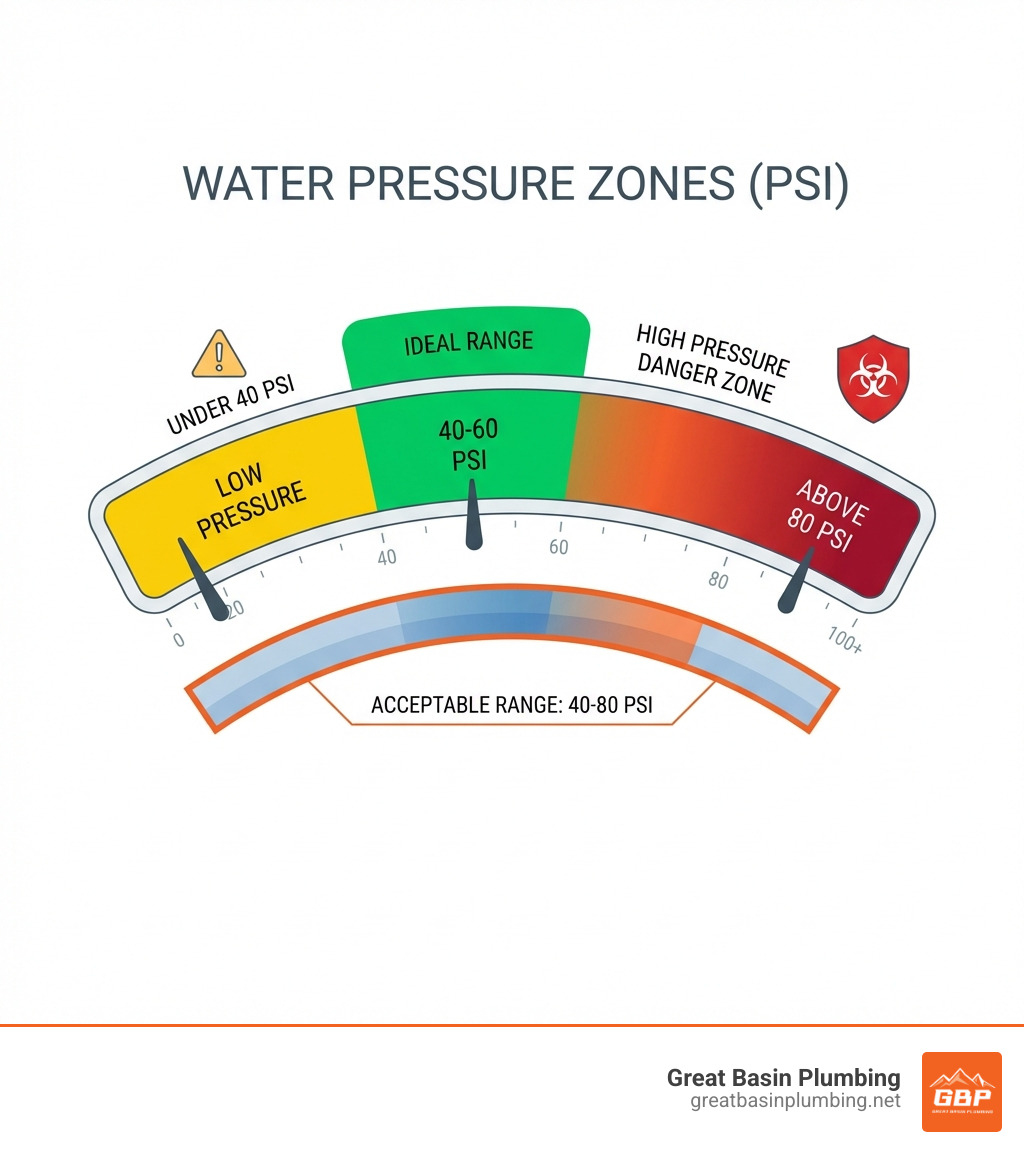
Based on industry standards and our experience serving homes throughout Utah, the ideal water pressure range for most homes is between 45 and 55 PSI. A reading between 40 and 60 PSI is generally considered acceptable. However, if your gauge reads:
- Below 40 PSI: You’re experiencing low water pressure. This can lead to weak showers, slow-filling appliances, and general frustration.
- Above 80 PSI: You’re dealing with high water pressure. While it might seem good to have powerful flow, consistently high pressure can be damaging to your plumbing system and appliances.
If your pressure is consistently below 40 PSI or above 80 PSI, it’s time to dig deeper. Our team at Great Basin Plumbing often finds that issues outside this ideal range indicate a problem that needs professional attention.
Step 2: Identifying the Suspects – Common Causes of Water Pressure Issues
Now that we have our pressure reading, let’s play detective and figure out what might be causing your water pressure issues. We’ll start by looking outside your home, then move inside.
Is It a Neighborhood-Wide Problem?
Sometimes, the problem isn’t with your home at all. It could be a municipal issue affecting your entire neighborhood in Sandy, Draper, Salt Lake City, or wherever you might be in our service area.
How to Check:
- Ask Your Neighbors: This is the easiest first step. If your neighbors are also complaining about low or high water pressure, it’s a strong indicator that the problem lies with the municipal water supply.
- Look for City Notices: Your local water provider (like those serving Ogden, Orem, or American Fork) might issue notices about planned maintenance, flushing, or unexpected water main breaks. These events can temporarily affect water pressure.
- Contact Your Water Provider: If your neighbors are also affected, or if you suspect a larger issue, contact your local water authority. They can tell you if there are any known water main breaks, emergency repairs, or city maintenance operations affecting your area. For instance, temporary pressure changes can occur due to maintenance or system events. Learn more about troubleshooting water pressure and flow issues from municipal sources.
If the problem is widespread, your local water provider is the first point of contact. They manage the system to keep most homes between 40 and 80 PSI, but some homes might receive lower or higher pressure depending on elevation and proximity to the water source.
The Usual Suspects Inside Your Home
If your neighbors’ pressure is fine, the investigation shifts to your own plumbing system. Many common water pressure issues originate within your four walls.
- Partially Closed Valves: This is a surprisingly common culprit. If your main water shut-off valve (where the water enters your house) or the water meter valve (often near the street) was recently turned off for a repair or vacation, it might not have been fully reopened. Even a slight turn can significantly restrict water flow and pressure. We recommend ensuring these are fully open.
- Failing Pressure Regulator (PRV): Many homes in Utah have a pressure regulator, or PRV, installed on the main water line. This bell-shaped device is designed to reduce high incoming municipal water pressure to a safe level for your home (typically set around 50 PSI). However, PRVs don’t last forever; they typically last 7 to 12 years. A failing PRV can restrict water flow, leading to low pressure throughout your home, or, conversely, fail to regulate, causing high pressure. If your pressure suddenly drops throughout your entire home, a failing PRV is often the most likely suspect.
- Clogged Faucet Aerators and Showerheads: If you’re experiencing low pressure only at a specific faucet or in your shower, the problem is often a clogged aerator or showerhead. Mineral deposits, debris, or rust can build up in these small screens, restricting water flow. This is a common localized water pressure issue.
- Shared Water Lines: While less common in newer constructions, some older homes, particularly in more established areas like Brigham City or Box Elder County, might share a water line with a neighbor. If your neighbor is using a lot of water (e.g., watering their lawn), it can temporarily reduce your pressure. This is a tricky one, and often requires professional assessment to determine if a dedicated line is needed.
- Branch Lines Are Too Small: If your main water line has good pressure, but certain fixtures or areas of your home consistently have low pressure, the branch lines feeding those areas might be too small, especially if you’ve added new fixtures or appliances that demand more water.
The Silent Damage of Corroded Pipes and Leaks
Some of the most insidious water pressure issues are caused by problems within your pipes themselves. These can develop slowly over time, making them harder to pinpoint without professional help.

- Corroded Pipes: If your home is older, especially those built before the 1970s, you might have galvanized steel pipes. These pipes are notorious for corroding from the inside out. Over time, rust and mineral deposits build up, narrowing the pipe’s diameter and severely restricting water flow, leading to a gradual but significant drop in pressure. Galvanized steel lines start to corrode after about 20 years. Copper pipes, on the other hand, last over 50 years, and brass pipes are good for about 40 to 70 years. If your pipes are approaching or past these lifespans, corrosion could be the hidden culprit behind your low pressure.
- Hidden Water Leaks: A leak anywhere in your plumbing system can cause a significant drop in water pressure. Unfortunately, many leaks are hidden behind walls, under floors, or underground. Signs of a hidden leak include an unexpected spike in your water bill, damp spots on walls or ceilings, the sound of running water when no fixtures are in use, or your water meter spinning even when all water is off. If you suspect a leak, it’s crucial to address it immediately to prevent costly water damage and mold growth. Our team specializes in How to Find a Water Leak in the House and offers comprehensive Leak Detection Plumbing Services across Utah.
The Other Extreme: Recognizing and Resolving High Water Pressure
While low pressure is an annoying inconvenience, high water pressure is a silent threat that can cause significant damage and financial loss over time. Think of it like high blood pressure for your home’s plumbing system – it puts everything under unnecessary stress.
Signs of High Water Pressure:
- Banging Pipes (Water Hammer): This is one of the most common and telltale signs. If you hear a loud banging or hammering sound in your pipes, especially when a faucet is suddenly turned off, it’s often due to high pressure causing water to stop abruptly. It sounds like a “little freight train” running through your walls!
- Leaking Faucets and Toilets: High pressure puts extra strain on seals and connections, leading to premature wear and leaks in faucets, toilet fill valves, and showerheads.
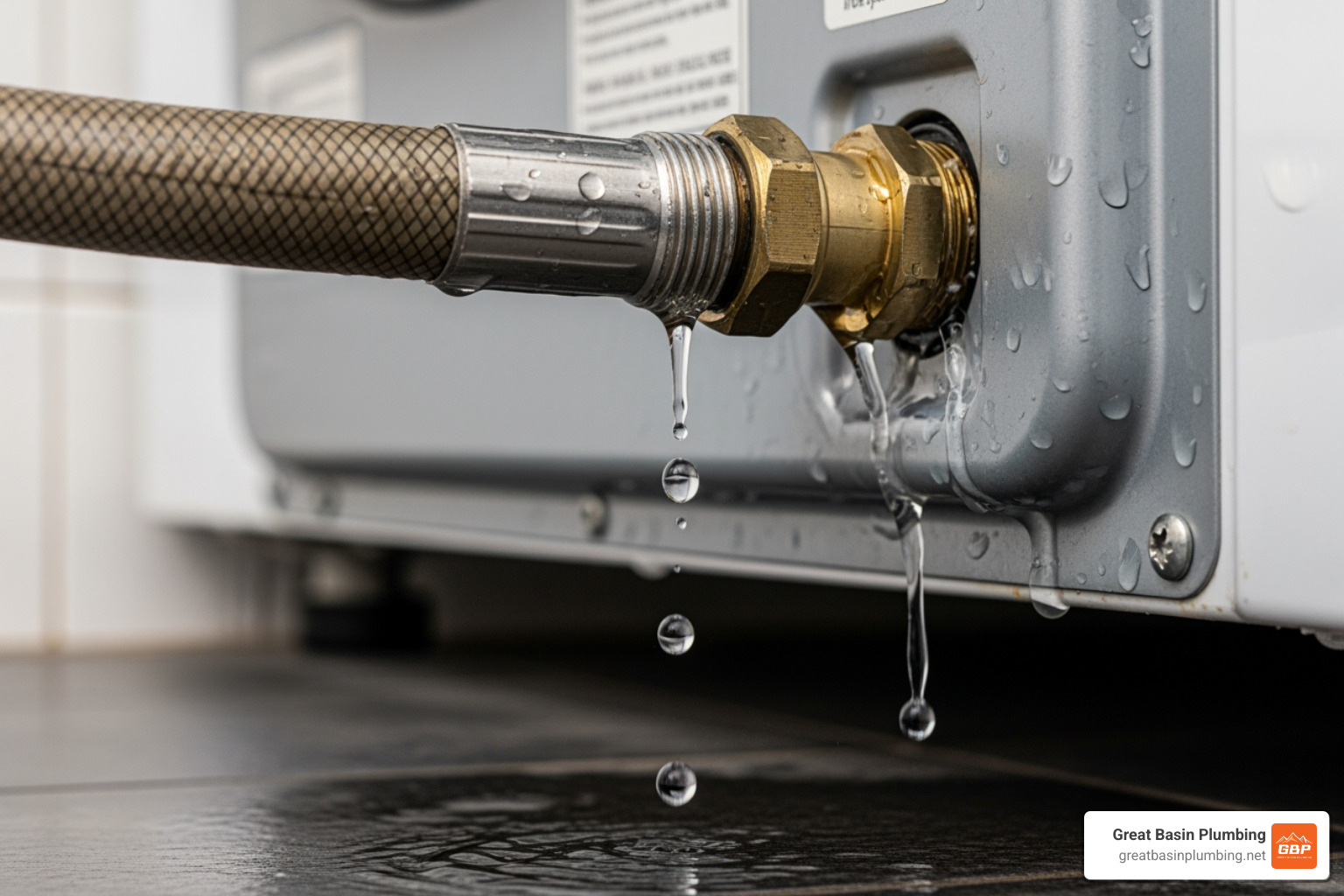
- Appliance Wear and Tear: Your washing machine, dishwasher, and water heater are not designed to withstand consistently high pressure. This can shorten their lifespan, leading to premature breakdowns and leaks. We’ve seen many cases where high pressure causes issues like a leaking washing machine hose connection or even damages internal components of appliances.
- Water Heater Damage: High pressure can overwhelm your water heater’s thermal expansion tank, if you have one, leading to issues. It can also stress the tank itself, increasing the risk of leaks or rupture. If you’re experiencing problems with your water heater, especially in conjunction with other high-pressure symptoms, it’s worth investigating. We offer expert Utah Water Heater Services and can assess if high pressure is contributing to your water heater woes.
- Constant Running Toilets: High pressure can cause the fill valve in your toilet to wear out faster, leading to a toilet that constantly runs or refills itself.
Why is it a Problem?
Municipal water suppliers, especially in areas with hills or for tall buildings, may pump water at 100 PSI or more. While fire hydrants require this higher pressure, your home doesn’t. Consistently high pressure (above 80 PSI) can cause:
- Excessive wear on appliances and filtration systems, shortening their lifespan.
- Small leaks that go unnoticed, leading to water damage, mold, and rot.
- Wasted water and higher utility bills.
The Solution: The Pressure Reducing Valve (PRV)
The good news is that high water pressure is usually fixable. The primary solution is a properly functioning Pressure Reducing Valve (PRV). This valve is installed on your main water line and is designed to bring the incoming pressure down to a safe and manageable level for your home (ideally 50-60 PSI).
- Installation: Homes built after 2002 are often required by plumbing code to have a PRV installed.
- Maintenance: Like any mechanical device, PRVs have a lifespan of 7 to 12 years. If yours is older and you’re experiencing high-pressure symptoms, it might be time for a replacement.
- Adjustment: Sometimes, a PRV simply needs adjustment. However, we always recommend professional adjustment to ensure it’s set correctly and safely.
For a more in-depth look at this often-overlooked problem, you can read more about high water pressure and its effects.
Solving the Case: DIY Fixes and Professional Solutions
Once we’ve gathered the clues and identified the likely suspects behind your water pressure issues, it’s time to implement solutions. Some problems are simple enough for a DIY fix, while others definitely require the expertise of a professional plumber.
Your DIY Detective Kit for Minor Water Pressure Issues
Before calling in the cavalry, there are a few things you can try yourself if you’re comfortable with basic home maintenance:
- Clean Faucet Aerators and Showerheads: This is a common and easy fix for localized low pressure. Unscrew the aerator (the mesh screen at the end of your faucet) or showerhead. Soak the components in white vinegar for an hour or two to dissolve mineral buildup, then scrub them clean with a small brush. Reassemble and test the pressure.
- Check All Shutoff Valves: Locate your main water shut-off valve (where the water enters your home, usually in the basement, utility closet, or near the water heater) and your water meter valve (often near the street). Ensure they are both fully open. Sometimes, these valves get partially closed accidentally during other work or by children. Also, check individual shut-off valves under sinks and behind toilets; make sure they are fully open.
- Locate and Inspect the Pressure Regulator (PRV): If you suspect a PRV issue, first locate it. It’s usually a bell-shaped device on your main water line, often near the main shut-off valve. Visually inspect it for any obvious damage or leaks.
- Adjusting the Pressure Regulator (with caution): Some PRVs have an adjustment screw on top. If you’re experiencing low pressure, turning this screw clockwise can increase the pressure. If you have high pressure, turning it counter-clockwise can lower it. However, we strongly advise extreme caution here. Incorrect adjustment can lead to further damage or dangerously high pressure. If you’re not confident, it’s always best to call a professional. An ideal reading is between 45 and 55 PSI. The default setting is often 50 PSI, with a maximum flow of 75 PSI sometimes ensured by regulators.
When to Call in the Experts for Major Water Pressure Issues
While DIY fixes are great for minor annoyances, many water pressure issues require the specialized knowledge and tools of a professional plumber. Our team at Great Basin Plumbing is equipped to handle everything from complex diagnostics to major repairs across all our service areas, including South Jordan, Magna, Park City, and Heber.
- PRV Replacement: If your pressure regulator is failing (it’s past its 7-12 year lifespan, or visibly damaged), it needs to be replaced. This isn’t a DIY job, as it involves working on the main water line and ensuring proper pressure settings.
- Installing a Water Pressure Booster System: If your home consistently receives low pressure (below 40 PSI) due to its location (e.g., at a higher elevation relative to the municipal supply) and a PRV adjustment isn’t the solution, a water pressure booster system might be necessary. These systems actively increase the water pressure coming into your home. This is a complex installation that requires professional expertise.
- Persistent Clogs and Corroded Pipes: If cleaning aerators doesn’t solve your low pressure, or if you suspect corroded galvanized pipes are the issue, you’ll need professional help. We can perform pipe inspections and, if necessary, recommend repiping solutions.
- Suspected Leaks: Any signs of a hidden water leak should prompt an immediate call to us. We have advanced leak detection equipment to locate and repair leaks quickly, preventing extensive damage. Our Utah Plumbing Leak Detection services are designed to pinpoint even the most elusive leaks.
- Repiping Old Homes: For homes with old, corroded pipes (especially galvanized steel), the most effective and long-lasting solution for persistent low pressure is often a complete repipe. This involves replacing old, narrow pipes with new, wider, and more durable materials like PEX or copper. It’s a significant project, but one that drastically improves water pressure and quality for decades to come. Learn more about Utah Plumbing Piping and Repiping services.
- Uncertainty: When in doubt, call us! It’s always better to have a professional assess the situation than to risk further damage with a DIY attempt. We offer experienced, 24/7 emergency plumbing services with honest, upfront pricing.
Frequently Asked Questions about Water Pressure
We often hear similar questions from homeowners experiencing water pressure issues. Here are some of the most common ones, answered based on our expertise:
What problems can low water pressure cause besides a weak shower?
Beyond the frustration of a weak shower or slow-filling tub, low water pressure can lead to a host of other problems in your home. It can make appliances like dishwashers and washing machines less effective, as they rely on a certain amount of pressure for optimal operation. Low flow can also cause sediment to build up more easily in your pipes, leading to frequent clogs that wear out and damage plumbing over time. In some rare cases, extremely slow-moving or stagnant water due to consistently low pressure can even create conditions conducive to bacteria growth in your pipes, posing a potential health risk.
What is the ideal water pressure for a home?
The ideal water pressure for most homes, as recommended by plumbing professionals, is between 45 and 55 PSI. While a broader range of 40 to 80 PSI is generally considered acceptable and safe for home plumbing systems, pressures consistently below 40 PSI can lead to noticeable performance issues, and pressures consistently above 80 PSI can cause significant damage to pipes, fixtures, and appliances over time. If your reading falls outside this ideal range, it’s a good idea to investigate further.
How long does a pressure regulator (PRV) typically last?
A pressure regulator (PRV) is a hardworking component of your plumbing system, and like all mechanical devices, it has a finite lifespan. Typically, a PRV will last anywhere from 7 to 12 years. Factors like water quality (hard water with high mineral content can shorten its life) and how heavily it’s used can influence its longevity. If your home is older than 7-12 years and you’re experiencing sudden or consistent water pressure issues, a failing or aged PRV is a very likely culprit that might need to be replaced.
Conclusion: Restoring Order to Your Home’s Water Flow
Dealing with water pressure issues can be a real headache, turning everyday tasks into frustrating chores. But as we’ve seen, by systematically gathering clues and understanding the common causes, we can often diagnose the problem and find the right solution.
Whether it’s a simple fix like cleaning an aerator or a more complex issue like a failing pressure regulator or corroded pipes, taking action is key. Regular maintenance, including periodic pressure testing, can help you identify and fix problems before they escalate into costly emergencies.
Your home’s plumbing system is a complex network, and sometimes the best course of action is to call in the professionals. Our team at Great Basin Plumbing is here to ensure your water flows smoothly and efficiently. We’re dedicated to providing reliable Utah Plumbing Services and can help you with anything from routine maintenance to major repairs, including Utah Sewer and Outdoor Plumbing Services if needed.
Don’t let water pressure issues disrupt your home life any longer. If you’re experiencing persistent low pressure, damaging high pressure, or simply can’t pinpoint the problem, our experienced plumbers are ready to help across Sandy, Draper, Salt Lake City, and all our Utah service locations.
Get expert help with your home’s piping and repiping needs today and restore peace to your plumbing system.