
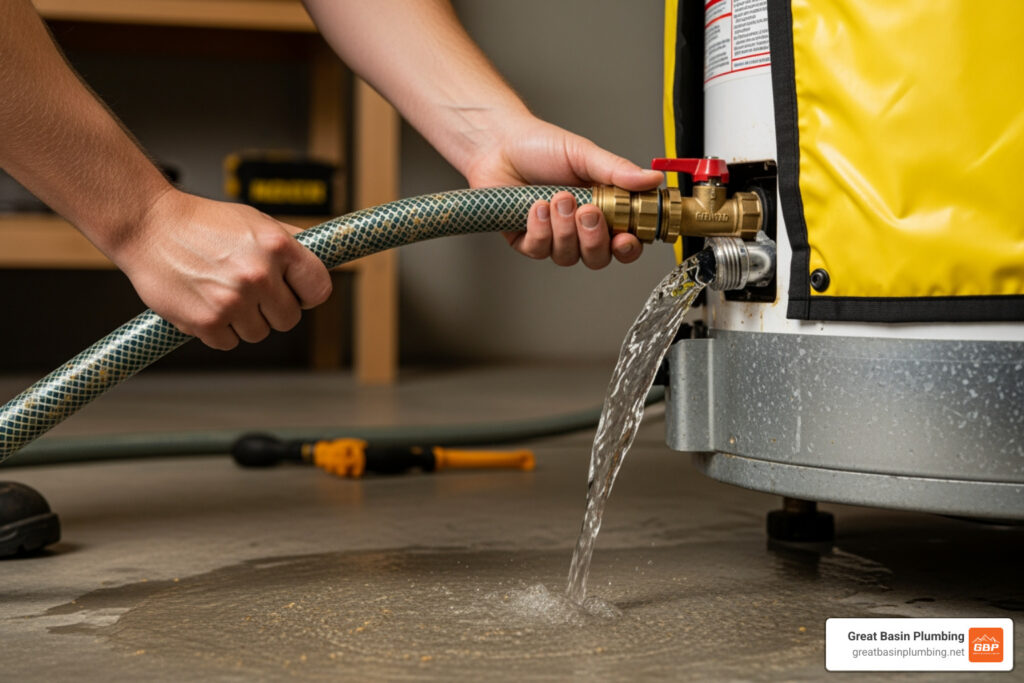
Why a Water Heater Flush Service Matters for Your Home
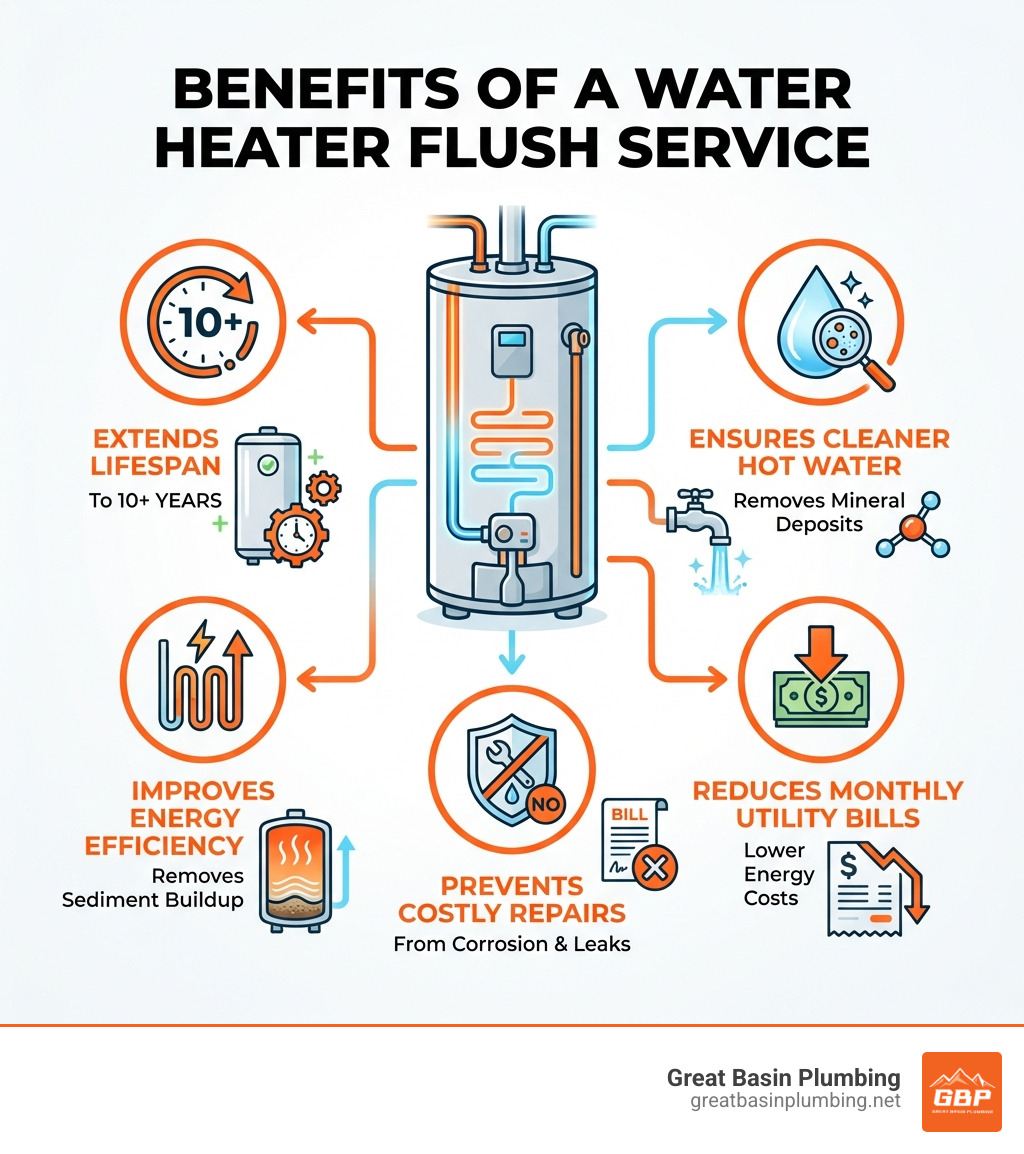
A water heater flush service is essential maintenance that removes sediment and mineral buildup from your tank. This simple annual task helps your water heater run efficiently, last longer, and provide a consistent supply of hot water. By preventing sediment damage, flushing improves energy efficiency, lowers utility bills, and helps you avoid costly repairs. Most plumbers recommend a flush once per year, especially for homes with hard water.
Hot water is something we take for granted—until a lukewarm shower or unexpected breakdown ruins the day. Over time, minerals from the water supply settle in your 40-50 gallon tank, forming a layer of sediment. This buildup forces your heating element to work harder, increasing energy use, reducing hot water capacity, and shortening your unit’s 10-year lifespan.
Regular flushing is the best way to prevent these issues. But before you start draining the tank yourself, it’s important to weigh the pros and cons of DIY versus hiring a professional. I’m Reese Mitchell, owner of Great Basin Plumbing, and I’ve seen how this annual service saves Sandy-area homeowners thousands in premature replacements and emergency repairs.
The Essentials of Water Heater Flushing
As water flows into your Utah home, it carries dissolved minerals like calcium and magnesium. These “hard water deposits” accumulate at the bottom of your water heater tank, forming a thick layer of sediment. This sediment acts as an insulator, creating a barrier between the heating element and the water. As a result, your water heater works harder and longer to reach the desired temperature, leading to lost efficiency and higher energy bills.
Critically, this sediment can cause the tank to overheat, leading to premature wear and damage to components like the heating elements or the anode rod. A regular water heater flush service removes this buildup, protecting your investment and extending its life.
Signs Your Water Heater Needs Flushing
Your water heater will often give hints that it needs a flush. If you notice any of the following, it’s time to schedule a water heater flush service:
- Popping or Rumbling Noises: Sediment traps water at the bottom of the tank, which then boils and creates steam bubbles that burst, causing popping or rumbling sounds.
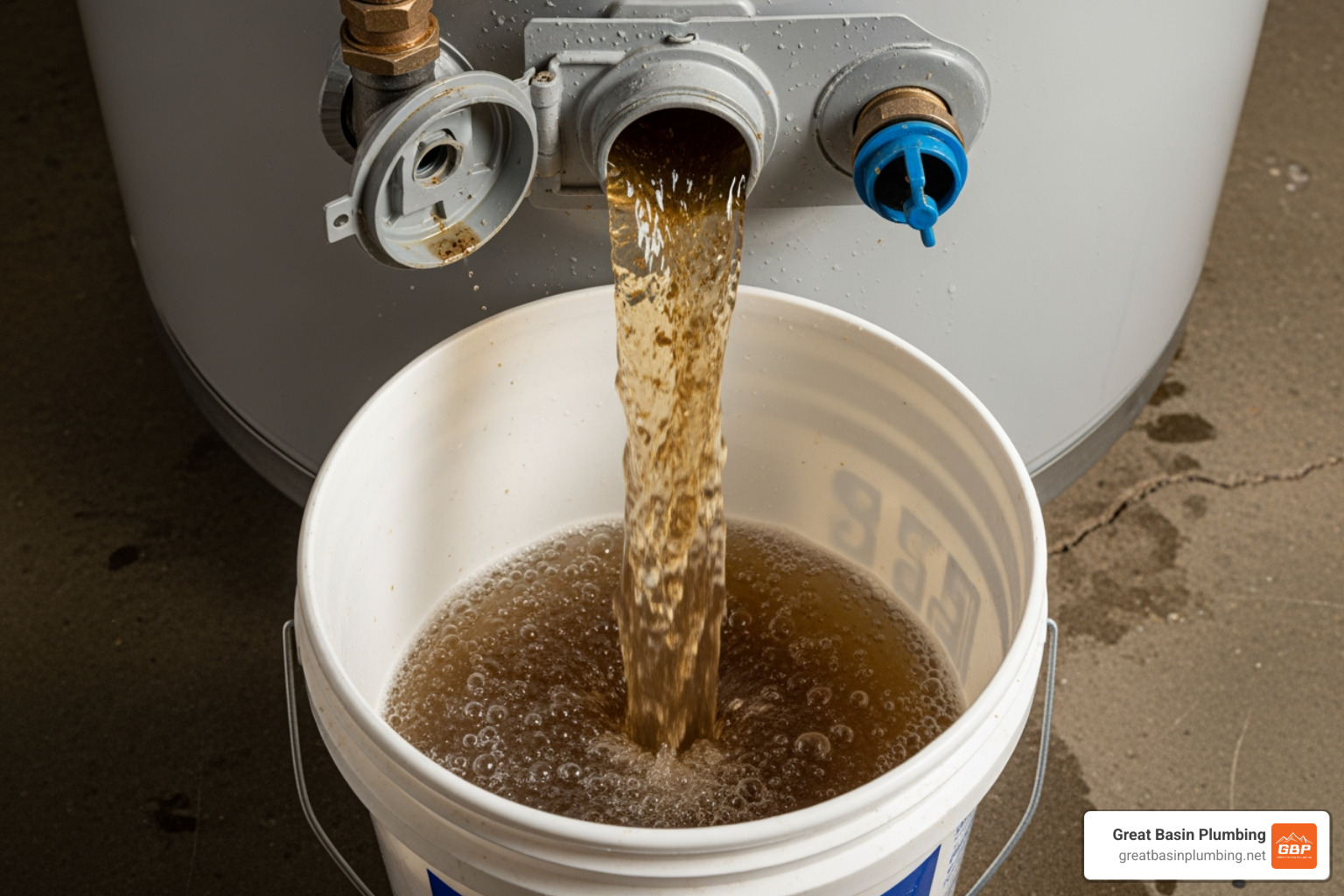
- Discolored or Rusty Water: A rusty or cloudy appearance in your hot water indicates corrosion or excessive sediment inside the tank.
- Fluctuating Water Temperatures: If your showers go from hot to lukewarm, sediment may be interfering with the heating process.
- Reduced Hot Water Capacity: Sediment takes up space in the tank, leaving less room for hot water and resulting in shorter hot water cycles.
- Higher Energy Bills: An unexplained spike in your utility bills can be a sign that sediment is forcing your water heater to consume more energy.
If you’re experiencing these issues in your Utah home, contact us to diagnose the problem.
What Happens If You Don’t Flush Your Water Heater?
Ignoring a water heater flush is like never changing your car’s oil—it will eventually lead to a breakdown. Here’s what to expect:
- Corrosion and Leaks: Sediment creates “hot spots” that degrade the tank’s lining, leading to corrosion and leaks that can cause significant water damage in your Sandy or Orem home.
- Reduced Capacity and Inefficiency: Sediment displaces water, reducing hot water availability and forcing the unit to use more energy, which increases your bills.
- Heating Element Failure: In electric models, sediment can cover the heating elements, causing them to overheat and burn out.
- Premature Replacement: Neglecting regular flushing can shorten a water heater’s ten-year lifespan, forcing an early and expensive replacement, especially in hard water areas like Salt Lake City and Draper.
Don’t let your water heater get to this point. For more tips, check out our article on More info about common winter water heater issues.
How Often Should You Flush Your Water Heater?
How often should you schedule a water heater flush service? Most plumbers, including us at Great Basin Plumbing, recommend flushing your water heater tank at least once a year.
However, the ideal frequency depends on a few factors:
- Water Hardness: Utah areas like American Fork and South Jordan have hard water, which causes faster sediment buildup. In these cases, flushing every six months may be necessary.
- Manufacturer Recommendations: Always check your owner’s manual for specific maintenance guidelines to protect your warranty.
- Heater Type: Conventional tank and hybrid water heaters typically need annual flushing. Tankless models also require an annual descaling (a similar process) to remove mineral buildup from their heat exchangers, especially in hard water areas.
If it’s been over a year since your last flush, it’s time to schedule a service. Regular maintenance, including setting the temperature to the recommended 120°F, can significantly extend its life. Learn more here: Learn about setting your water heater to the recommended temperature of 120°F.
The Flushing Process: A Step-by-Step Overview
Whether you’re curious about a professional water heater flush service or considering a DIY approach, understanding the process is helpful. Safety is paramount, as you’ll be dealing with hot water and gas or electrical connections.
Basic Setup and Safety:
Before starting, turn off the power to the water heater at the circuit breaker (for electric) or turn the gas control valve to “OFF” (for gas). Next, shut off the cold water supply valve. To aid draining, open a hot water faucet somewhere in the house. Finally, connect a garden hose to the drain valve at the bottom of the tank and run the other end to a safe drainage area, keeping in mind the water will be very hot.
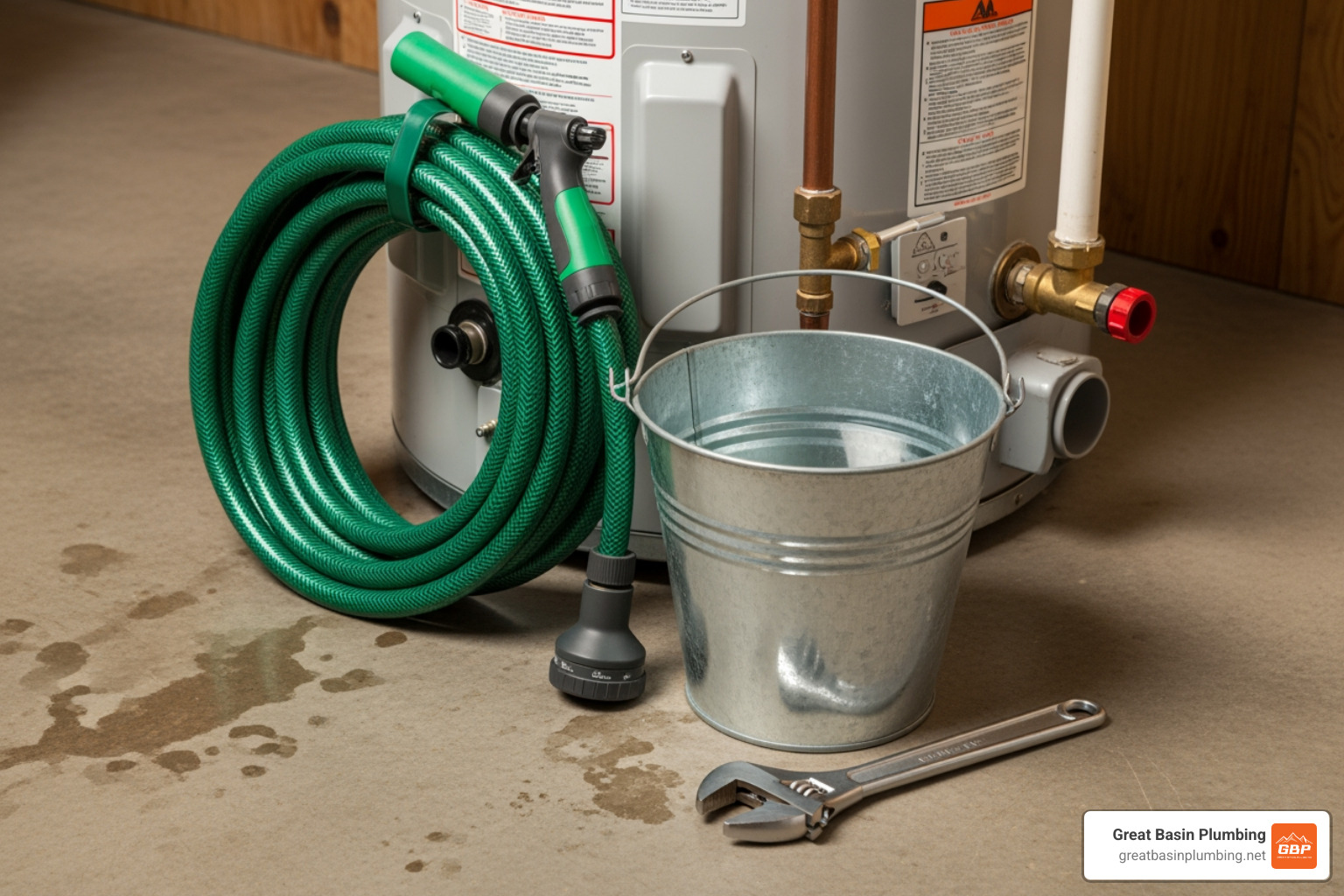
Tools You May Need:
- Garden Hose
- Adjustable Wrench or Screwdriver
- Bucket
- Work Gloves and Safety Glasses
How to Flush a Conventional Tank Water Heater
Flushing a conventional tank requires patience and careful adherence to safety protocols. Here is a simplified overview:
- Drain the Tank: After completing the prep steps above, open the drain valve. It may take up to an hour for a 40-50 gallon tank to empty. You’ll likely see discolored water as sediment is flushed out.
- Flush with Cold Water: Once the tank is empty, briefly turn the cold water supply on and off a few times. This stirs up any remaining sediment at the bottom. Drain this water until it runs clear.
- Refill the Tank: Close the drain valve tightly and disconnect the hose. Turn the cold water supply back on. Let the tank fill completely—you’ll know it’s full when a steady stream of water flows from the open hot water faucet you turned on earlier. Then, close that faucet.
- Restore Power: Only after the tank is full, restore power by flipping the circuit breaker or turning the gas valve back to “ON.” Check the drain valve and all connections for leaks.
For a more detailed walkthrough, you can refer to this Detailed guide on draining and flushing. For any plumbing needs in Sandy, Salt Lake City, or Park City, we offer comprehensive More info on general plumbing services.
Flushing a Tankless or Hybrid Water Heater
Flushing a tankless or hybrid water heater is different and often best left to professionals.
- Hybrid Water Heaters: Since these have a storage tank, the flushing process is very similar to a conventional unit.
- Tankless Water Heaters: These units don’t have a tank but can suffer from mineral scale buildup on their internal heat exchangers. This requires a process called descaling, which is more complex than a standard flush.
Descaling a tankless unit involves circulating a special solution (like vinegar or a commercial descaler) through the system using a pump, hoses, and a bucket. This process requires specialized equipment and knowledge of the unit’s isolation valves. Mistakes can lead to leaks or damage to the heat exchanger, potentially costing over $1,000 in repairs.
Given the complexity and risk, we strongly recommend a professional water heater flush service for tankless models to ensure the job is done safely and correctly. Proper maintenance is key to the longevity of all your home’s systems. Learn more about preventive maintenance to keep your home running smoothly.
DIY vs. Professional Water Heater Flush Service
Now for the big decision: should you do it yourself or call a pro? For homeowners in Salt Lake City and South Jordan, there are arguments for both.
DIY Flushing: The Appeal and the Pitfalls
The main appeal of a DIY water heater flush service is saving money on labor. However, the risks can outweigh the rewards:
- Time Commitment: A DIY flush can take several hours, whereas a professional can often do it in under an hour.
- Potential Risks: Mistakes can be costly. There’s a risk of scalding from hot water, water damage from improper connections (which can cost over $1,000 to repair), and damage to the unit itself, like burning out an electric heating element.
- Incomplete Service: A DIY flush often misses key inspection points, like checking the anode rod, which is critical for preventing tank corrosion.
For most homeowners, especially those with complex tankless units, a professional service is the safer, more effective choice.
The Case for a Professional Water Heater Flush Service
Hiring a professional from Great Basin Plumbing for a water heater flush service is an investment in expertise and peace of mind. Here’s why it makes sense:
- Expertise and Safety: Our plumbers know how to handle all water heater types safely, minimizing risks associated with gas or electricity. We can spot issues you might miss.
- Thorough Cleaning: We use professional tools and techniques to ensure all sediment and scale are removed, which is especially important for descaling tankless units.
- Comprehensive Inspection: Our service includes more than just a flush. We inspect the anode rod, test the TPR safety valve, and check for leaks or corrosion, preventing future problems.
- Avoid Costly Mistakes: A professional service eliminates the risk of DIY errors that could lead to expensive water damage or premature unit replacement.
- Saves Time and Hassle: Let us handle the work so you can enjoy your weekend. We’ll have the job done quickly and efficiently.
Choosing Great Basin Plumbing ensures your water heater is in capable hands.
Understanding the Cost of a Water Heater Flush Service
Let’s talk numbers. A professional water heater flush service in Utah typically costs around $200. The price for a tankless unit may be slightly higher due to the more involved descaling process.
While a DIY tankless flushing kit costs $100-$200, you’re still paying for equipment without the benefit of professional labor and inspection. It’s crucial to weigh the $200 professional fee against the potential for a $1,000+ repair bill from a DIY mistake. A professional flush is a small investment to avoid much larger, unexpected expenses and extend the life of your unit.
Regular maintenance helps you avoid the high cost of emergency repairs or premature replacement. To understand what a full replacement might cost, you can find more information here: Find out more about water heater replacement costs.
Frequently Asked Questions about Water Heater Flushing
Here are answers to common questions we hear from our Utah customers about water heater flush service.
How long does a professional water heater flush take?
A professional flush is surprisingly quick. An experienced plumber from Great Basin Plumbing can typically inspect and flush your water heater in under an hour, including setup, draining, refilling, and a safety inspection. This minimizes disruption to your day, unlike a DIY project that can take hours.
Can flushing an old water heater cause problems?
Yes, it’s possible. If a water heater is over 10 years old and has never been flushed, the sediment inside might be masking existing corrosion. Removing it could expose weak spots and cause leaks. For older units, it’s best to have a professional assess its condition first to determine if a flush is safe or if a replacement is a better option.
Is a water heater flush really necessary?
Absolutely. A water heater flush service is essential preventive maintenance, like an oil change for your car. It removes sediment buildup that causes inefficiency, higher energy bills, and a shorter lifespan. Regular flushing prevents unexpected breakdowns and ensures you have a reliable supply of clean, hot water, making it a small investment with a big payoff.
Conclusion: Protect Your Investment with Regular Maintenance
As we’ve explored, a regular water heater flush service is more than just a chore; it’s a critical investment in your home’s comfort, efficiency, and safety. From preventing sediment buildup and extending your unit’s lifespan to ensuring consistent hot water and lowering energy bills, the benefits are clear. Neglecting this simple maintenance can lead to costly repairs, premature replacements, and unexpected cold showers – none of which anyone in Utah wants to experience!
While some homeowners might consider a DIY approach for conventional tank water heaters, the complexities of tankless units and the potential risks associated with any DIY plumbing task often make a professional water heater flush service the smarter choice. Our experienced team at Great Basin Plumbing brings the expertise, specialized tools, and safety protocols necessary to perform a thorough flush and comprehensive inspection, giving you peace of mind.
Don’t wait until your water heater starts rumbling like a grumpy bear or delivering lukewarm surprises. Proactive maintenance is the key to long-term savings and reliable hot water. For expert assistance and to schedule your service in the Sandy, Orem, Salt Lake City, or surrounding Utah areas, contact our team today. We’re here to help you protect your investment and ensure your water heater continues to serve your home efficiently for years to come.