
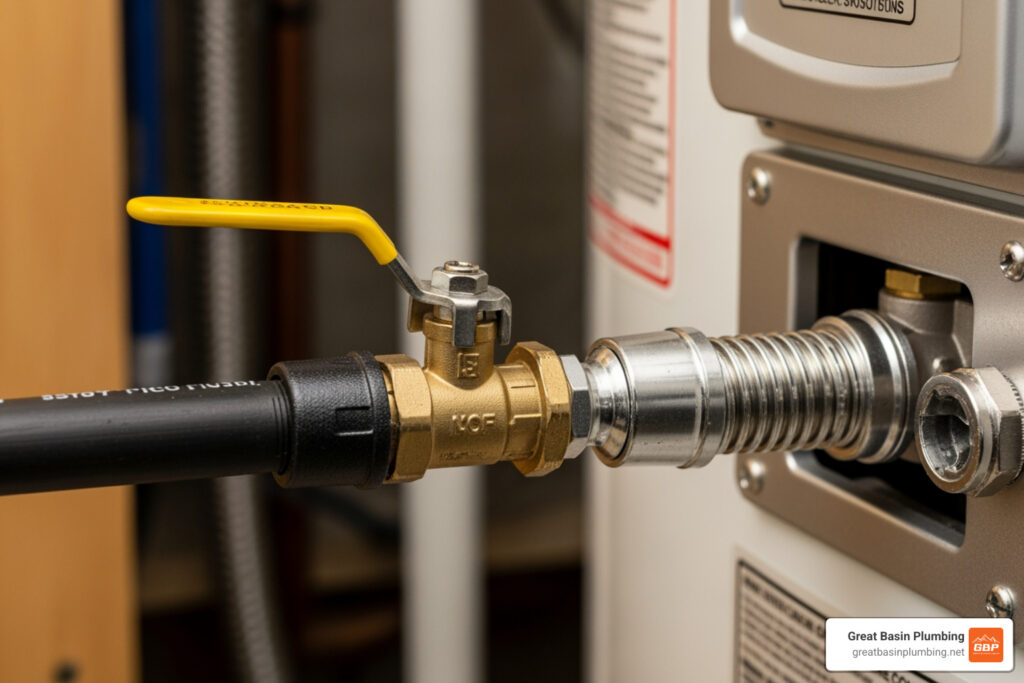
Why Your Gas Line for Hot Water Heater Matters More Than You Think
A gas line for a hot water heater installation is more than a simple plumbing task; it’s a critical component for your home’s safety and your water heater’s performance. Whether you’re installing a new unit or upgrading an old one, the gas supply line must be properly sized, installed with the right materials, and leak-tested to ensure safe, reliable operation.
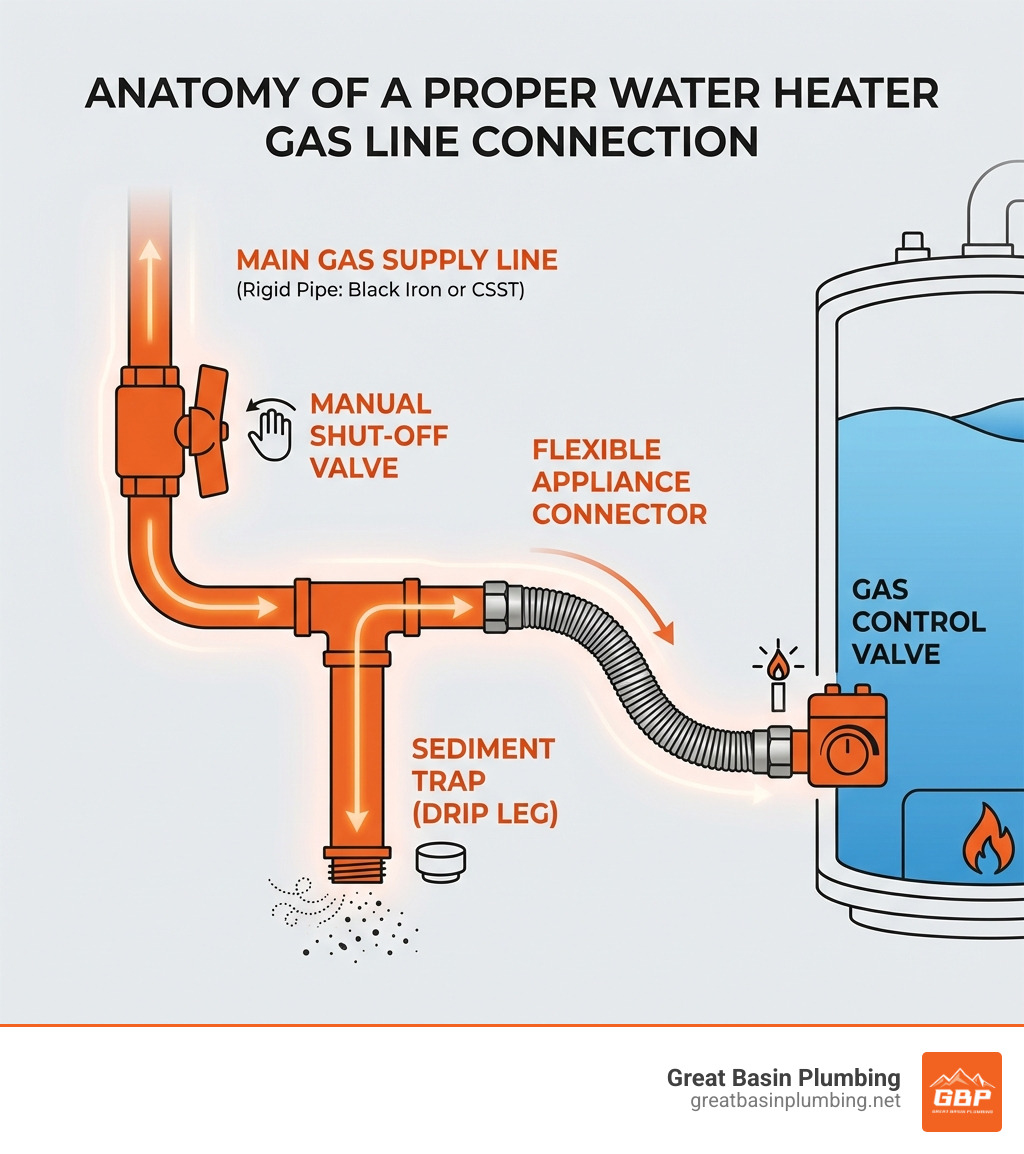
Key components include a properly sized supply pipe (like black iron or CSST), a manual shut-off valve, a sediment trap (or drip leg), and a flexible appliance connector for the final hookup. The choice between traditional black iron pipe and modern CSST depends on the specific needs of the installation, while copper is rarely used and subject to strict local codes.
The stakes are high. An undersized or improperly installed line can lead to poor performance, appliance damage, and severe safety hazards like gas leaks or carbon monoxide production. All gas work must comply with the National Fuel Gas Code and local Utah regulations.
As Reese Mitchell, owner of Great Basin Plumbing, I’ve seen the consequences of improper installations. Our certified technicians ensure every gas line for hot water heater we install in the Salt Lake City and Ogden areas is safe, compliant, and built to last, whether for a standard 40-gallon tank or a high-BTU tankless unit.
Choosing the Right Material for Your Gas Line
When installing a gas line for a hot water heater, selecting the right material is paramount. The choice between black iron pipe, Corrugated Stainless Steel Tubing (CSST), and copper depends on the specific application, local codes, and budget.
| Material Type | Pros | Cons – Black Iron Pipe – Traditional, durable, requires threading
- CSST (Corrugated Stainless Steel Tubing) – Flexible, easier to install, requires bonding
- Copper – Only allowed for “sweet” gas in certain jurisdictions
- Flexible Connectors – For final appliance connection only (not concealed runs)
What is CSST (Corrugated Stainless Steel Tubing)?
CSST is a flexible, stainless steel pipe with a protective plastic coating, often yellow or black. Its main advantage is flexibility, which allows for faster installation with fewer joints, reducing potential leak points. It’s an excellent choice for routing gas lines through complex or tight spaces. However, it requires special tools, fittings, and proper electrical bonding to prevent damage from lightning or power surges. For more information on gas line options, visit our guide to gas line plumbing.
Black Iron Pipe: The Traditional Choice
Black iron pipe is the traditional, heavy-duty choice for gas lines. Its rigidity and strength make it highly durable and resistant to damage. Installation is more labor-intensive, as it requires cutting and threading each section of pipe. While very reliable, it can be prone to corrosion if the protective coating is compromised, especially in moist environments.
A Note on Copper and Flexible Connectors
Copper tubing is sometimes used for gas lines, but its use is restricted by most codes to areas with low-sulfur “sweet” gas. Due to its softness, it’s more susceptible to damage and is often not permitted for main gas lines in Utah. Always check local codes before considering copper.
Flexible appliance connectors are short, corrugated lines designed only for the final connection between the rigid gas pipe and the water heater. They are not meant for long runs or to be concealed within walls or floors.
How to Correctly Size the Gas Line for Your Hot Water Heater
Properly sizing the gas line for a hot water heater is critical for safety and performance. An undersized line can “starve” the appliance of fuel, leading to poor heating, pilot light outages, and the creation of dangerous carbon monoxide.
The correct pipe size is determined by three main factors:
- Total BTU Load: The combined BTU/hour rating of all gas appliances connected to the line. This is found on each appliance’s data plate.
- Pipe Length: The distance from the gas meter or main line to the appliance.
- Allowable Pressure Drop: The small, acceptable loss of gas pressure from the source to the appliance.
Using these figures, a professional plumber consults sizing charts in the National Fuel Gas Code (NFPA 54) and local Utah codes to select the appropriate pipe diameter. For detailed charts, you can reference manufacturer documentation like this guide on properly sized gas lines.
Tankless vs. Traditional Water Heaters
The type of water heater significantly impacts gas line sizing.
- Traditional Tank Heaters: Typically require 30,000-50,000 BTUs. A 1/2-inch gas line is often sufficient for these.
- Tankless Water Heaters: Demand a much higher gas volume, often 140,000 to 200,000 BTUs or more. Upgrading from a tank to a tankless model almost always requires upsizing the gas line to 3/4-inch or larger to prevent performance issues.
Natural Gas vs. Propane Sizing Considerations
Natural gas and propane (LP) have different properties and require different sizing calculations. Propane has a higher energy density but operates at a different pressure, often requiring a two-stage regulator system. It is crucial to use the correct sizing chart for the specific fuel type being used to ensure safety and proper appliance function.
Step-by-Step: Connecting the Gas Line
Warning: Gas line installation is not a DIY project. It requires specialized knowledge and tools to ensure safety. An improper connection can lead to gas leaks, fires, or carbon monoxide poisoning. We strongly recommend hiring a licensed professional like Great Basin Plumbing for all gas work. The following steps are for informational purposes only.
Tools & Materials:
- Pipe wrenches
- Gas-rated thread sealant (pipe dope or yellow PTFE tape)
- Leak detection solution
- Pipe cutter & threader (for black iron)
- Shut-off valve, sediment trap fittings, and flexible appliance connector
Step 1: Safety First
Before starting, shut off the main gas supply at the meter. Ensure the area is well-ventilated and free of any ignition sources like open flames or sparks. For more tips on system safety, especially in cold weather, see our guide on Winter Water Heater Woes.
Step 2: Assembling the Rigid Pipe and Fittings
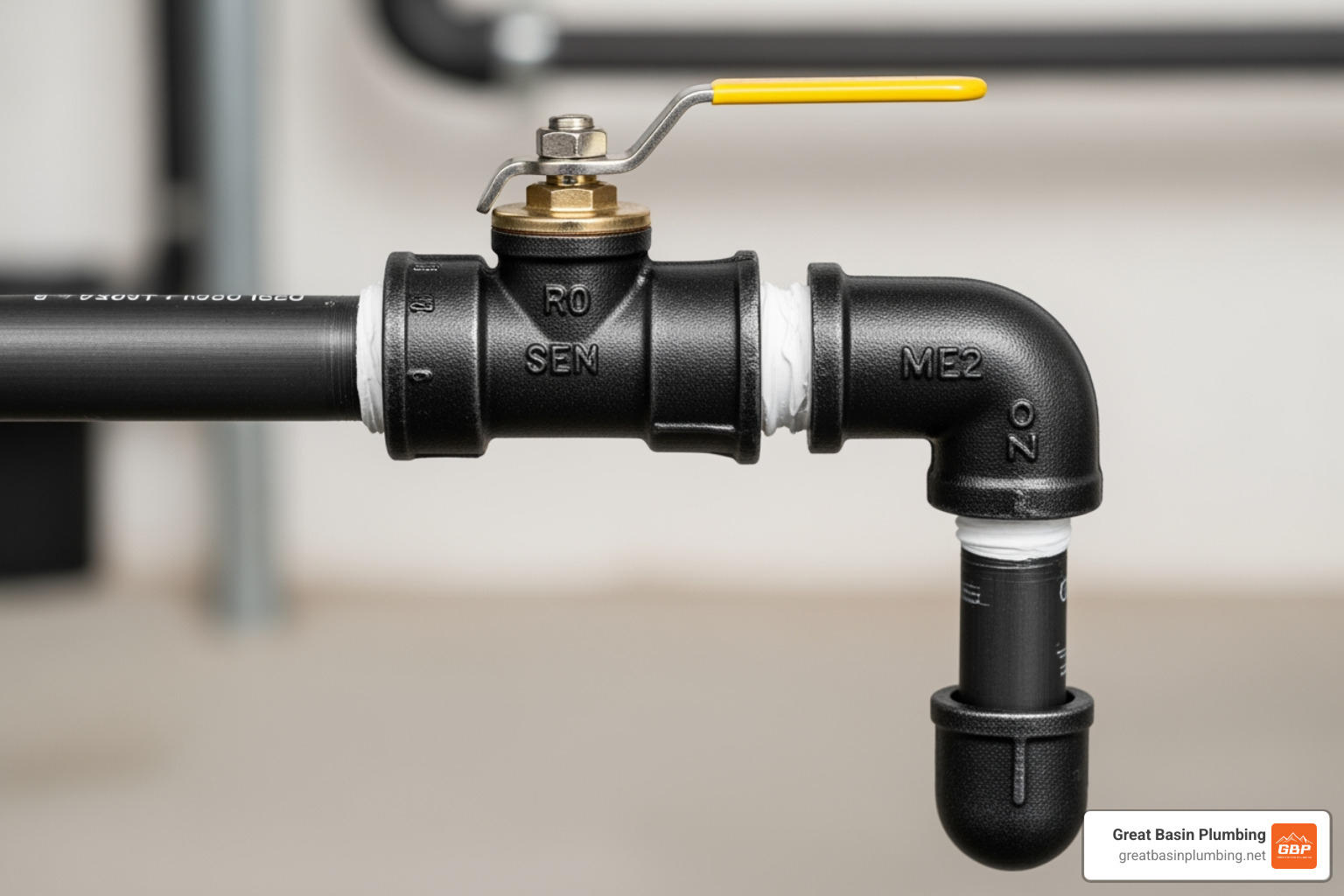
All gas appliances require a rigid pipe connection from the main line. This section must include:
- A Manual Shut-Off Valve: Installed within 6 feet of the water heater for easy access in an emergency.
- A Sediment Trap (Drip Leg): A vertical pipe with a cap, installed just before the appliance connection. This crucial component catches debris and moisture, protecting the water heater’s sensitive controls.
Use gas-rated pipe dope or yellow PTFE tape on all male threads to ensure a tight seal.
Step 3: Making the Final Connection to the Water Heater
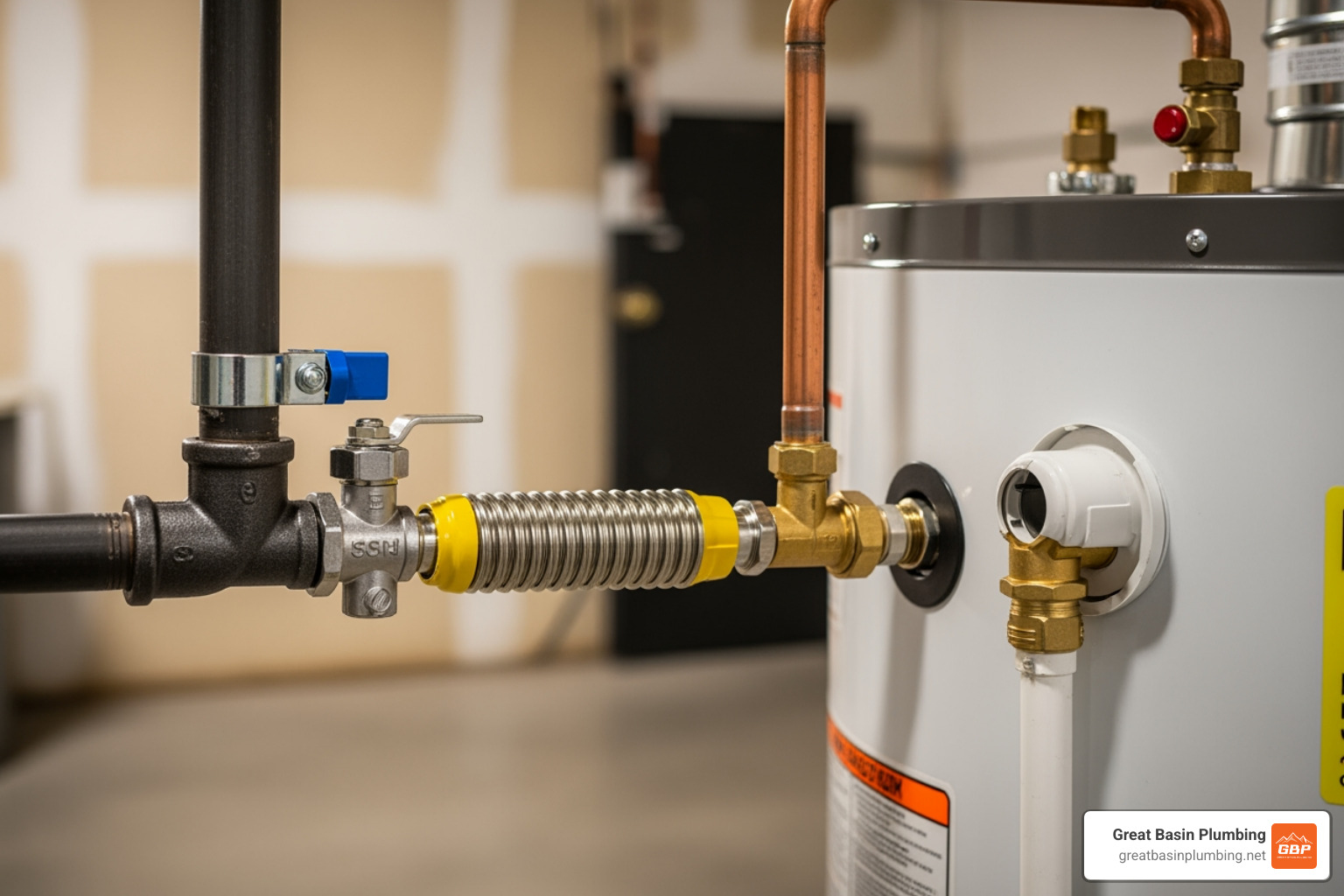
Use a new, CSA-approved flexible gas connector to link the rigid pipe to the water heater’s gas control valve. Ensure the connector is not kinked, stretched, or twisted. Tighten the connections firmly but do not overtighten, as this can damage the fittings.
Step 4: Leak Testing and Restoring Gas
This is the most critical step.
- Slowly turn the main gas supply back on.
- Apply a soap and water solution or a commercial leak detector to every joint and connection you made.
- Look for bubbles, which indicate a gas leak.
- If you see any bubbles, immediately turn the gas off and tighten the connection. Retest. If the leak persists, call a professional. Never use a flame to check for leaks.
- Once all connections are confirmed to be leak-free, you can turn on the appliance shut-off valve and follow the manufacturer’s instructions to light the water heater.
Critical Safety Precautions and Code Compliance
Working with gas lines is not a DIY project. A small mistake can lead to catastrophic consequences, including fires, explosions, and carbon monoxide poisoning. All gas work must comply with the National Fuel Gas Code (NFPA 54) and local Utah building codes, which often require permits and inspections.
Essential Safety Practices
- Install CO Detectors: Carbon monoxide is an odorless, deadly gas. Install UL-listed CO detectors on every level of your home, especially near bedrooms.
- Ensure Proper Ventilation: Gas appliances need adequate air for safe combustion. Ensure the area around your water heater is not sealed off and meets ventilation requirements.
- Maintain Clearances: Keep flammable and combustible materials away from the water heater and its vent pipe, following the manufacturer’s specified clearances.
- Schedule Regular Maintenance: Professional maintenance can identify potential issues with your gas line for hot water heater or the appliance itself before they become hazards. Learn more with our guide to Essential Preventive Maintenance for Your Water Heater.
Common Mistakes to Avoid with a gas line for hot water heater
Our professionals often see dangerous errors made during DIY installations. Avoid these common mistakes:
- Using the Wrong Materials: Using plumbing tape instead of gas-rated PTFE tape, or using incorrect pipe types.
- Undersizing the Gas Line: A common issue when upgrading to a tankless water heater, leading to poor performance and safety risks.
- Forgetting the Sediment Trap (Drip Leg): This is a code requirement that protects your appliance from debris.
- Improperly Sealing Joints: Leaks often result from incorrect application of thread sealant.
- Skipping the Leak Test: Never assume a connection is safe. Always perform a thorough bubble test on every joint.
- Incorrectly Supporting Pipes: Gas lines must be properly secured to prevent stress on the fittings.
Frequently Asked Questions about Water Heater Gas Lines
We hear a lot of questions about gas lines for water heaters. Here are some of the most common ones we encounter from homeowners in Brigham City, Box Elder County, and beyond:
How much does it cost to install a new gas line for a water heater?
The cost to install a new gas line for hot water heater can vary significantly depending on several factors, but generally, you can expect it to range from a few hundred to over a thousand dollars for a typical residential installation. Here’s what influences the price:
- Material Costs: CSST is generally more expensive per foot than black iron pipe, but its easier installation can sometimes balance the overall labor cost.
- Labor Rates: This is a significant factor. Licensed plumbers and gas technicians in Utah charge for their expertise, which includes knowing and adhering to all local codes.
- Permit Fees: Gas line work almost always requires a permit from your local building department, which incurs a fee.
- Length and Complexity of the Run: A short, straightforward run in an accessible area will be less expensive than a long run that requires drilling through walls, navigating obstacles, or extending from a distant main line.
- Existing System Upgrades: If your existing gas meter or main line is undersized and needs to be upgraded to handle the new appliance (especially a tankless water heater), this will add to the cost.
For a comprehensive breakdown of water heater related costs in our service areas, you can check out our guide on How Much Does It Cost to Replace a Water Heater in Utah?.
Can I use a flexible gas line for my entire run?
This is a common point of confusion. The answer is generally no, not for the entire run if you’re referring to the standard flexible appliance connectors.
- Flexible Appliance Connectors: These are short, typically yellow-coated or braided metal lines used for the final connection between the rigid gas supply pipe (black iron or CSST) and the water heater itself. They are designed to be easily accessible, not concealed within walls or floors, and are limited in length (usually 3-6 feet). Using one for an entire gas line run is a code violation and a serious safety hazard.
- CSST (Corrugated Stainless Steel Tubing): This is a flexible gas line material, but it’s a complete piping system, not just a connector. CSST can be used for much longer runs and can be routed through concealed spaces, but it requires specific installation techniques, proper bonding and grounding, and must be installed according to manufacturer specifications and local codes. It’s a great option for routing gas to your gas line for hot water heater over longer distances or where rigid piping would be difficult.
So, while you can use a “flexible gas line” in the form of CSST for long runs, you cannot use a flexible appliance connector for anything other than the final few feet of connection to the appliance itself.
What are the signs of an undersized gas line for hot water heater?
An undersized gas line for hot water heater will starve your appliance of the fuel it needs, leading to noticeable and potentially dangerous symptoms. Here are the key signs to watch for:
- Water Not Getting Hot Enough (or Fluctuating Temperatures): This is the most direct symptom. If your water heater isn’t receiving enough gas, it can’t generate enough heat to reach or maintain the desired water temperature, especially during peak demand.
- Pilot Light Goes Out Frequently: If the gas pressure is too low, the pilot light (if your unit has one) may struggle to stay lit, leading to frequent outages and no hot water.
- Burner Flames are Weak, Yellow, or Lazy: Healthy gas flames should be predominantly blue with stable inner cones. Yellow, flickering, or lazy flames indicate incomplete combustion, a sign of insufficient gas or poor air mixture. This is a serious concern as it can lead to carbon monoxide production.
- Sooting on the Burner or Inside the Combustion Chamber: Incomplete combustion leaves behind carbon deposits (soot). If you notice black soot around the burner area or inside the combustion chamber (if visible), your gas line is likely undersized, or there’s another combustion issue.
- Frequent Error Codes on Tankless Units: Modern tankless water heaters often have diagnostic codes. An undersized gas line can trigger codes related to insufficient gas supply, flame failure, or sensor errors.
- Other Gas Appliances Malfunctioning: If your water heater is struggling, other gas appliances on the same line (like your furnace or dryer) might also show signs of gas starvation, especially when multiple appliances are running simultaneously.
If you observe any of these signs, it’s crucial to have a qualified professional inspect your gas line for hot water heater and entire gas system immediately.
Conclusion: Ensure a Safe and Reliable Connection
Connecting a gas line for a hot water heater is a job where safety and precision are non-negotiable. From choosing the right material like black iron or CSST to correctly sizing the pipe for your appliance’s BTU demand, every step is critical. An improperly installed line can lead to poor performance, costly repairs, and dangerous gas leaks or carbon monoxide exposure.
Given the risks involved, gas line work should always be left to licensed and experienced professionals. At Great Basin Plumbing, our team serves communities across Utah, from Ogden to Sandy and Provo, ensuring every installation meets the strictest safety and code requirements. We provide the expertise needed for a secure, reliable connection, giving you peace of mind and consistent hot water.
For expert assistance with your Utah Gas Line Plumbing, contact us today. We’re here to help you connect safely and efficiently.