
Why Adding an Outdoor Water Source Makes Life Easier
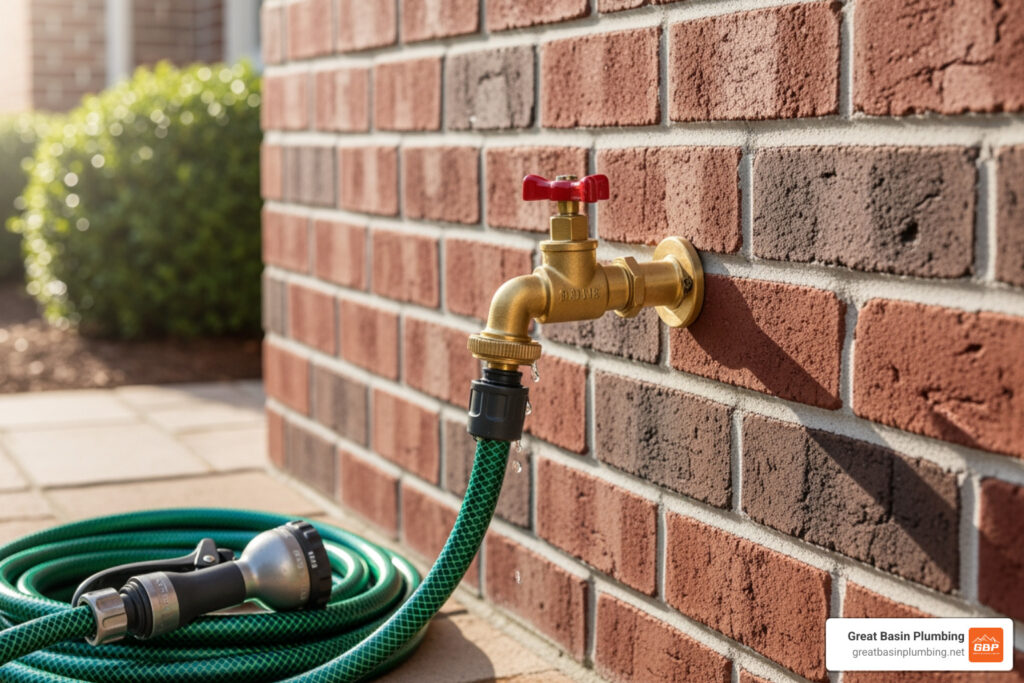
Outdoor hose bib installation is a practical home improvement project that gives you convenient water access right where you need it—whether that’s for watering your garden, washing your car, or filling a kiddie pool. A hose bib (also called a spigot or sillcock) is simply an outdoor faucet designed to connect a garden hose, and installing one yourself is more achievable than many homeowners think.
Quick Answer: Key Steps for Outdoor Hose Bib Installation
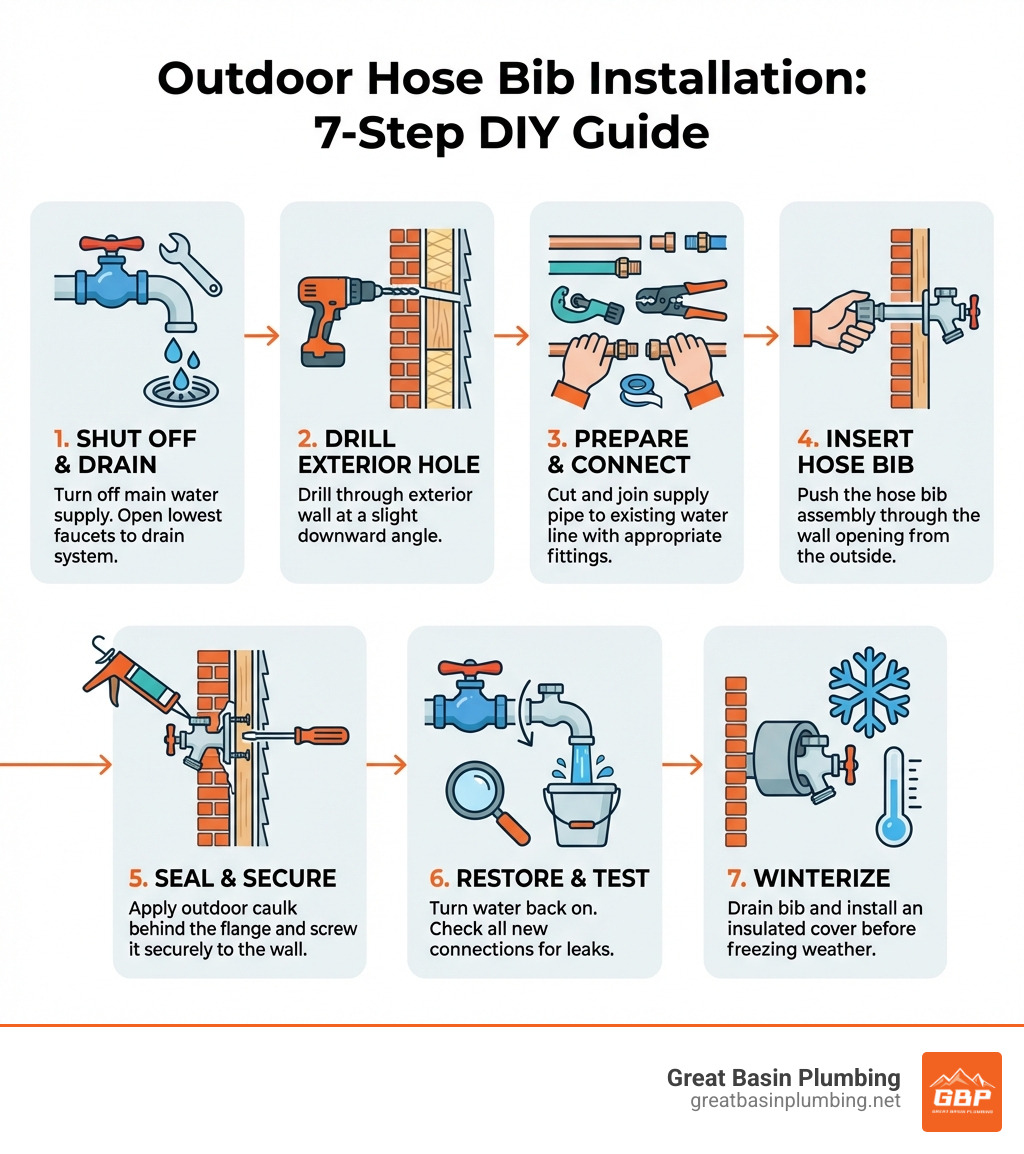
- Choose the right hose bib for your climate (standard or frost-free)
- Gather tools and materials (drill, pipe cutter, fittings, Teflon tape)
- Select a location near an existing water line with good drainage
- Shut off the main water supply and drain pipes
- Drill a hole through your exterior wall at a slight downward angle
- Connect to your water supply line using copper, PEX, or push-to-connect fittings
- Secure the hose bib to the wall with caulk and screws
- Test for leaks and ensure proper water flow
- Winterize annually by draining and insulating
The typical DIY installation takes 4 to 6 hours and costs around $40 to $60 in materials, though professional installation ranges from $150 to $500 depending on complexity.
I’m Reese Mitchell, owner of Great Basin Plumbing, and I’ve completed countless outdoor hose bib installations across Utah, from simple replacements to complex new installations through finished walls. Whether you’re tackling this project yourself or need professional help with your outdoor hose bib installation, understanding the process helps you make informed decisions about your home’s plumbing.
Pre-Installation Prep: Choosing Your Gear and Location
Before we even think about drilling holes or cutting pipes, a little planning goes a long way. This crucial phase ensures we have the right components and a solid plan for a successful outdoor hose bib installation. Trust us, a few extra minutes here can save you hours (and headaches) later!
Choosing the Right Hose Bib
A hose bib, sometimes called a spigot or sillcock, is essentially your outdoor water valve. Its main function is to provide easy access to your home’s water supply for various outdoor tasks. But not all hose bibs are created equal! Modern options offer features that can make your life much easier and protect your home, especially in a climate like Utah’s.
Here’s a quick rundown of the different types you’ll encounter:
| Hose Bib Type | Description | Advantages |
|---|---|---|
| Standard (Traditional) | A basic outdoor faucet that shuts off water at the exterior wall. | Simple to use and install, generally more cost-effective. Best for climates where freezing isn’t an issue. |
| Frost-Free (Sillcock) | Designed with an extended valve stem that shuts off water deep inside your home, in a heated area, preventing water from sitting in the pipe section exposed to cold. | Essential for cold climates like Utah! Prevents freezing and bursting pipes, saving you from costly water damage. Made with materials that withstand harsh weather. |
| Anti-Siphon/Vacuum Breaker | Features a built-in mechanism that prevents contaminated water from flowing backward into your home’s potable water supply. | Crucial for maintaining the purity of your drinking water. Often a requirement by local plumbing codes in places like Sandy, Ogden, or Salt Lake City, especially if you’re filling pools or using chemicals with your hose. Anti-siphon devices help liberate retained water by suction inside the faucet supply tube. |
| High-Flow | Engineered to deliver increased water pressure and volume. | Ideal for tasks requiring a lot of water, such as filling a swimming pool, washing large vehicles, or operating high-pressure sprinklers. Reduces the time needed for watering or cleaning tasks. |
When it comes to materials, brass is generally the champion. It’s durable, corrosion-resistant, and suitable for extreme temperatures, making it ideal for outdoor use. Look for lead-free brass to ensure water safety. While stainless steel is also excellent for durability and corrosion resistance, it’s often more expensive. For most homeowners in Utah, a high-quality, lead-free brass frost-free hose bib offers the best value.
You’ll also find hose bibs with different handle types: quarter-turn handles offer quick on/off action, while multi-turn handles provide more precise flow control. Both are fine, it often comes down to personal preference!
Gathering Your Tools and Materials
Having everything at hand before you start is a golden rule for any DIY project. For your outdoor hose bib installation, we’ll need a mix of standard tools and specific plumbing supplies.
Essential Tools:
- Drill: With a 1/4-inch twist bit for a pilot hole and a 1-3/8-inch self-feeding bit or hole saw for the main opening (for frost-free sillcocks, a 1-1/4 inch bit for ‘Ultra’ or Quarter turn models).
- Tubing Cutter: For clean, precise cuts on copper or PEX pipe.
- Adjustable Wrenches / Pipe Wrenches: For tightening connections and removing old fixtures.
- Propane Torch (if soldering copper): Along with solder and flux.
- Push-to-Connect Tool (if using PEX crimp fittings): Or a specialized tool for SharkBite connections.
- Emery Cloth or Sandpaper: For cleaning and deburring copper pipes.
- Safety Goggles and Work Gloves: Your eyes and hands are precious!
- Screwdriver: For securing the hose bib to the wall.
- Level: To ensure your hose bib is installed straight.
- Bucket: Handy for catching any residual water when you open the pipes.
Necessary Materials:
- New Hose Bib: The type you chose (e.g., frost-free, anti-siphon).
- Pipe: Depending on your existing plumbing and preference – copper, PEX, or even PVC (if local codes allow for your application).
- Fittings: Connectors appropriate for your chosen pipe type (e.g., copper elbows, PEX crimp rings, SharkBite fittings).
- Teflon Tape (or Pipe Dope/Sealant): For sealing threaded connections.
- Exterior Caulk: Weather-resistant silicone caulk to seal around the hose bib flange.
- Mounting Screws: #8 or #10 wood or masonry screws, suitable for your exterior wall material.
- Copper Bell Hangers (if running new pipe): To secure the new water line.
If you’re considering push-to-connect fittings for a simpler installation that doesn’t require soldering, check out resources like How To: Install a SharkBite Outdoor Hose Bibb or Sillcock. These can significantly reduce the complexity of connecting to your water supply.
Key Considerations for Your Outdoor Hose Bib Installation
Before making any permanent changes, let’s think strategically about where your new hose bib will go.
- Location, Location, Location: Where do you need water the most? Think about watering your garden, washing your car, or filling a bird bath. Choose a spot that offers easy access. Consider year-round accessibility and protection from potential damage from lawnmowers or foot traffic.
- Proximity to an Existing Water Line: The closer your chosen location is to an existing cold water supply line inside your home (like in a basement, crawl space, or utility room), the easier and less costly the installation will be. Running new lines across your home can significantly increase the project’s scope.
- Proper Ground Slope for Drainage: This is especially important in Utah. Ensure the area directly below the hose bib allows for proper drainage away from your home’s foundation. Standing water can cause damage over time.
- Avoiding Electrical Wiring and Gas Lines: Before drilling, it’s absolutely critical to know what’s inside your walls. Use a stud finder with a wire detection feature or consult your home’s blueprints to avoid hitting electrical wiring, gas lines, or other plumbing. Striking these can be incredibly dangerous and costly.
- Checking for Obstructions Inside the Wall: Make sure there’s enough clear space within the wall cavity to run and connect the new plumbing. You don’t want to drill a perfect hole only to find a major structural beam or ductwork in the way.
Finally, always be mindful of local plumbing codes and regulations. In Utah, including areas like Provo, Orem, and American Fork, codes often dictate requirements such as backflow prevention devices. We’ll touch more on this later, but it’s always wise to be informed.
The Main Event: A Step-by-Step Outdoor Hose Bib Installation
Alright, tools are gathered, location is chosen, and we’re ready to make some magic happen. This is the core how-to guide, walking you through the physical outdoor hose bib installation process from making the hole in your wall to connecting the water supply.
Site Preparation and Drilling the Hole
Safety first! Before we start drilling, we absolutely must cut off the water supply.
- Shut Off the Main Water Supply: Locate your home’s main water shut-off valve (usually in your basement, utility room, or near your water meter). Turn it off completely.
- Drain Existing Pipes: Open the lowest faucet in your house (like a basement utility sink) and any existing outdoor faucets to drain residual water from the lines. This relieves pressure and prevents a watery surprise when you cut into a pipe. Keep a bucket handy!
- Mark the Spot: From inside your home, identify the exact spot where you want the hose bib to enter. Ensure it’s between floor joists and away from any electrical or gas lines. Mark this spot clearly.
- Drill a Pilot Hole: Using your 1/4-inch twist drill bit, drill a small pilot hole from the inside of your home, all the way through to the exterior. This mark will guide you from the outside.
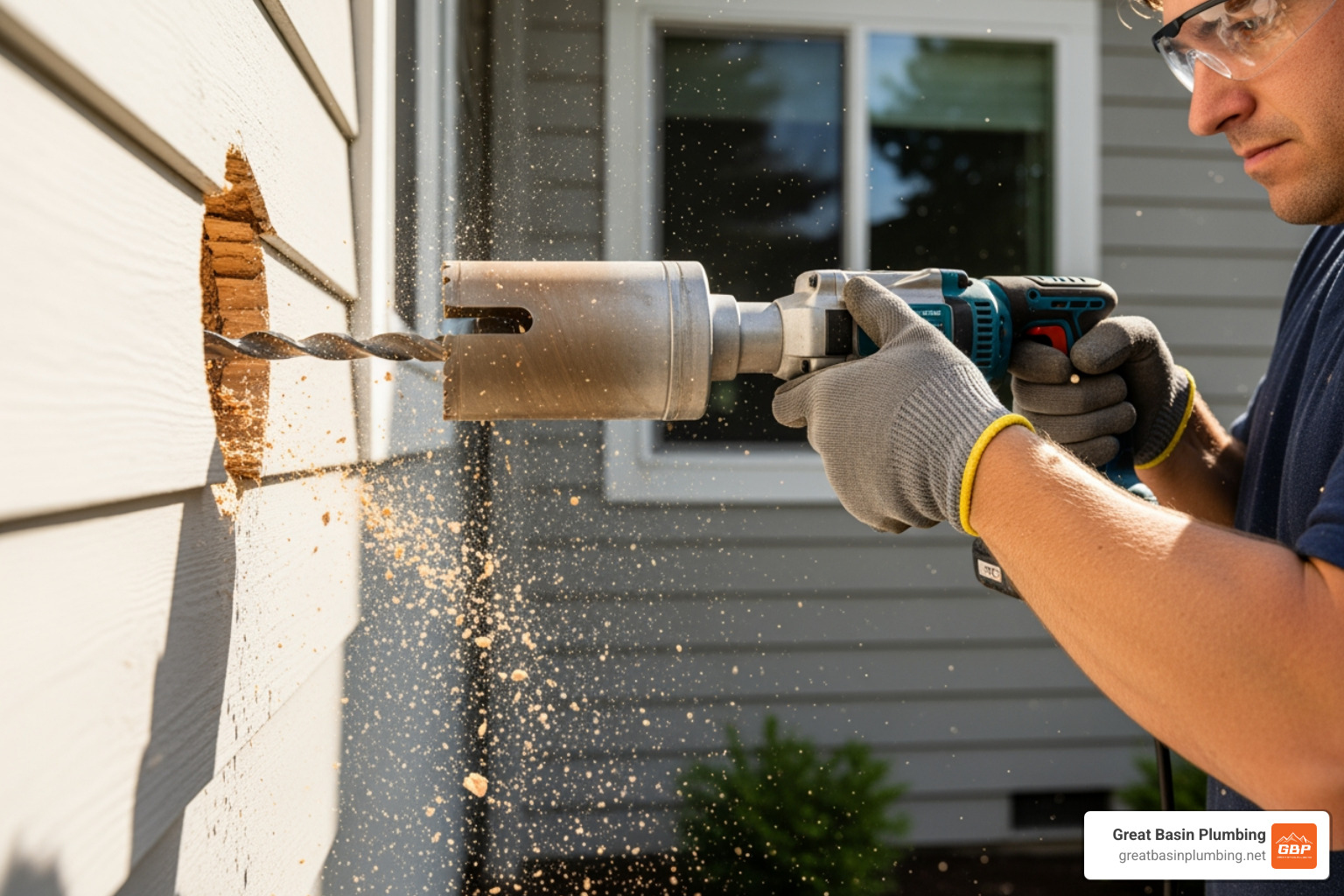
- Drill the Main Hole: Now, head outside. Locate your pilot hole. Using your larger 1-3/8-inch self-feeding bit or hole saw, drill the main access hole through your exterior wall. Here’s a crucial tip: Drill at a slight downward angle (about 1/4 inch per foot) from the inside out. This ensures that any residual water in a frost-free bib drains completely to the outside, preventing freezing.
Connecting to the Water Supply
This step involves connecting your new hose bib to your home’s cold water supply line. The method we use depends on your existing plumbing (copper, PEX, or even PVC in some outdoor/utility applications) and your comfort level.
- Pipe Preparation: Once you’ve identified the water supply line you’ll be tapping into, use your tubing cutter to make a clean, square cut. Deburr the edges (especially on copper pipe) with emery cloth or a deburring tool to ensure smooth flow and proper connections. Clean the pipe ends thoroughly.
- Choose Your Connection Method:
- Soldering Copper: This is a traditional, robust method. Clean and flux all pipe ends and fittings. Heat the joint evenly with a propane torch, then apply lead-free solder, allowing capillary action to draw it into the joint. Important: If installing a frost-free bib, remove the internal stem before soldering to prevent heat damage to internal plastic components.
- Push-to-Connect (e.g., SharkBite): These fittings are incredibly DIY-friendly as they require no soldering, crimping, or glue. Simply push the pipe squarely into the fitting until it reaches the stop. A deburr & gauge tool is helpful to ensure proper insertion depth. These work with PEX, copper, or CPVC.
- Crimping PEX: PEX (cross-linked polyethylene) pipe is flexible and easy to work with. You’ll use specialized crimp rings and a crimping tool to secure the PEX fittings.
- PVC: While less common for direct hose bib connections in residential indoor plumbing due to its rigidity and temperature limitations, PVC can be used for outdoor extensions or specific setups, provided it meets local codes. Attaching to PVC involves using PVC cement and specific fittings. PVC cement creates a permanent bond, so dry-fit everything first!
- Run the New Line: Measure and cut your new pipe to length, ensuring it extends from your chosen connection point to the exterior wall opening, with enough excess for the hose bib connection. Secure the new pipe to joists or studs with copper bell hangers to prevent movement and stress on the joints.
- Make the Final Connection: Connect the new pipe to the hose bib’s inlet. This might involve soldering, pushing a SharkBite fitting, or using a threaded connection with Teflon tape and pipe dope.
For more detailed information on various plumbing connections and services, you can always check out our More info about our plumbing fixture services.
Securing the Hose Bib to the Wall
With the plumbing connected, it’s time to make sure our new outdoor faucet is firmly and neatly attached to your home.
- Apply Sealant: Before inserting the hose bib, apply a generous bead of exterior-grade silicone caulk to the back of the hose bib’s flange (the plate that sits against the wall). This creates a watertight seal, preventing moisture from seeping into your wall cavity – crucial for protecting your home from water damage, especially with Utah’s varying weather.
- Insert and Align: Carefully insert the hose bib’s pipe through the hole you drilled in the exterior wall. As you push it through, make sure the spout is pointing downwards. This isn’t just for aesthetics; it’s essential for proper drainage, particularly for frost-free models.
- Secure to the Wall: Once the flange is flat against the wall and the spout is correctly oriented, use your #8 or #10 wood or masonry screws to secure the hose bib firmly to the exterior wall. Don’t overtighten, but ensure it’s snug and stable.
- Wipe Away Excess: Immediately wipe away any excess caulk that squeezes out around the flange. A clean finish not only looks professional but also ensures the seal is effective.
Finishing Touches and Future-Proofing Your Work
We’re almost there! With the hose bib installed, these final steps ensure it works perfectly and is protected from the elements, especially our harsh Utah winters.
Testing and Finalizing Your Outdoor Hose Bib Installation
This is the moment of truth! It’s time to check our work for any leaks and ensure everything is flowing smoothly.
- Slowly Restore Water: Go back to your main water shut-off valve and slowly turn it back on. Listen for any unusual sounds as the pipes refill.
- Check for Leaks: Carefully inspect all new joints and connections you made, both inside and outside. Look for drips, moisture, or any signs of leaks. Pay close attention to the area where the pipe connects to the hose bib, and where the hose bib meets the wall.
- Test Water Flow: Once you’re confident there are no leaks, attach a garden hose to the new bib. Turn the handle to test the water flow and ensure it shuts off completely when closed. If you notice a minor drip from the handle, you might just need to gently tighten the packing nut on the hose bib.
- Troubleshooting Minor Drips: If you have a persistent drip from the spout when the bib is closed, it might indicate a worn washer inside the bib. While this isn’t ideal for a brand-new installation, it’s often a simple fix by replacing the washer after shutting off the water again.
Essential Winterization Steps
For homeowners in Utah – from Brigham City to Heber – winterization isn’t just a suggestion; it’s a necessity! Neglecting this step can lead to burst pipes, extensive water damage, and a very unhappy spring.
- Disconnect All Garden Hoses: This is the simplest yet most crucial step. Leaving a hose attached, even to a frost-free bib, can trap water inside the faucet, preventing it from draining properly and leading to freezing and damage.
- Drain Standard Hose Bibs: If you have a standard hose bib (not frost-free), you’ll need to locate its dedicated indoor shut-off valve. Turn this valve off, then open the outdoor hose bib to allow any trapped water to drain out. Leave the outdoor bib open for the winter.
- Frost-Free Bibs Self-Drain (Mostly): Frost-free hose bibs are designed to shut off water far inside your heated home, allowing the water in the pipe leading to the outside to drain out. However, always disconnect your hose! For extra peace of mind, especially during prolonged periods of extreme cold, it’s a good practice to locate the indoor shut-off valve for your frost-free bib, turn it off, and then open the outdoor bib to ensure complete drainage.
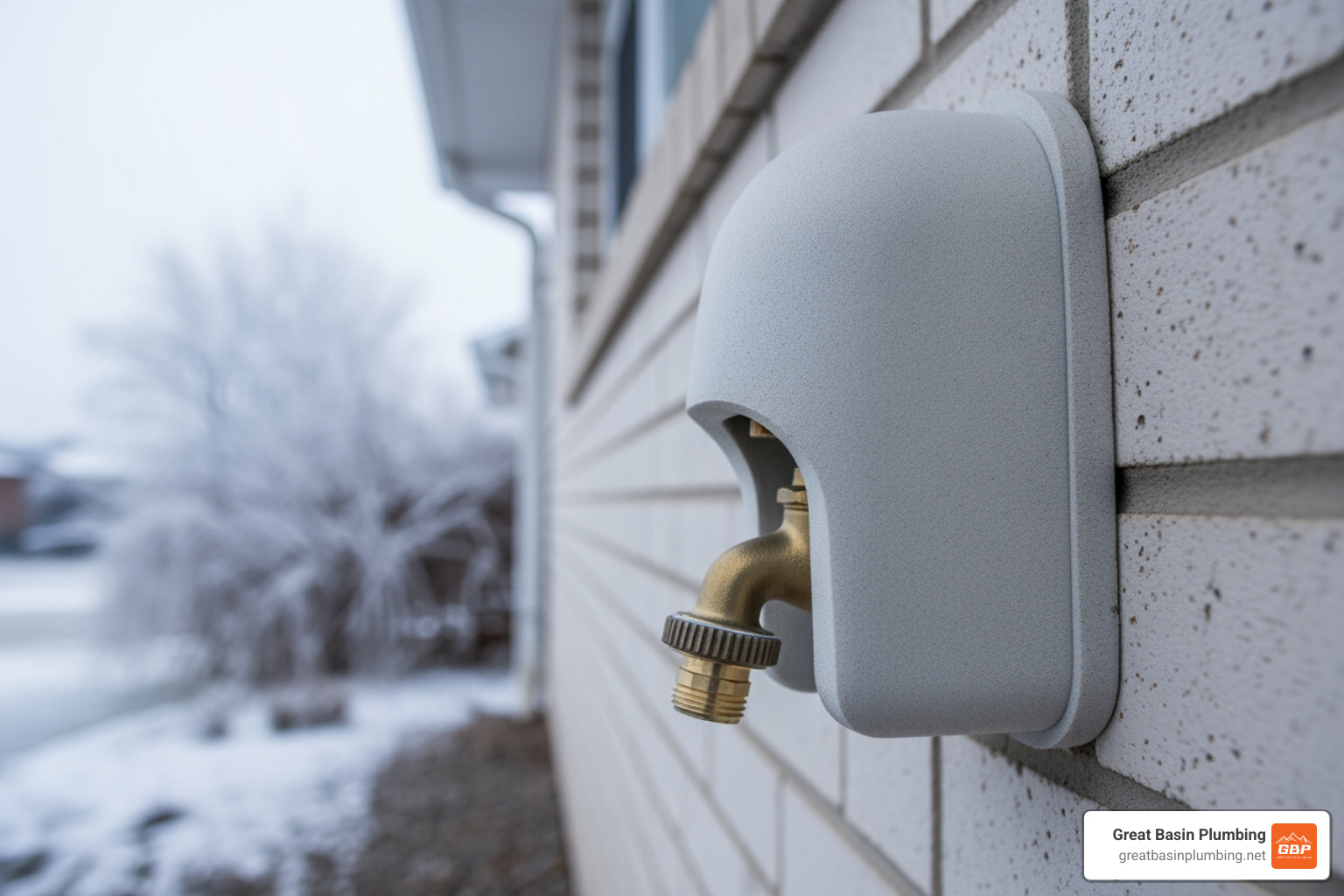
- Use Insulated Faucet Covers: For an extra layer of protection, especially for frost-free bibs, consider using a foam insulated faucet cover. These inexpensive covers simply slip over your hose bib and help shield it from the biting cold.
- Consider Unheated Buildings: If you have an outdoor hose bib on a detached garage, shed, or any building that remains unheated for extended periods, you must drain the entire water line supplying that bib to prevent freezing.
For more insights into protecting your outdoor water features, including hot water spigots, during colder months, you can refer to resources like Tips for Installing an Outdoor Hot Water Spigot.
When to Call a Professional Plumber
While a rewarding DIY project, some outdoor hose bib installations are best left to the experts. Knowing when to call a professional can save you from costly mistakes, water damage, and ensure compliance with local codes.
Common Challenges and Code Compliance
Even for experienced DIYers, certain situations can quickly turn a simple installation into a plumbing nightmare.
- Complex Plumbing Tie-ins: If you don’t have a readily accessible cold water line nearby, or if tapping into an existing line requires rerouting complex pipework, it’s a job for a pro.
- Corroded or Old Pipes: Working with old, corroded pipes can be tricky. They’re more prone to breaking or developing new leaks when disturbed, potentially leading to a bigger repair than you anticipated.
- No Nearby Water Line to Tap Into: Installing a hose bib in a completely new location where no water line exists means running new plumbing through walls or basements. This often involves more advanced skills and tools.
- Uncertainty with Soldering: Soldering copper pipes requires practice and precision. If you’re not confident in your soldering skills, a faulty joint can lead to significant leaks.
- Local Plumbing Codes: This is a big one for us in Utah. Local plumbing codes in areas like Salt Lake City, Draper, and South Jordan dictate specific requirements for outdoor plumbing, including types of bibs and backflow prevention. A professional plumber will ensure your outdoor hose bib installation meets all current regulations, avoiding potential fines or issues during home inspections. For instance, backflow prevention requirements are often strictly enforced to protect the municipal water supply.
- Estimated Professional Installation Cost: While materials for a DIY job might be $40-$60, professional outdoor hose bib installation typically ranges from $150 to $500, with a median cost around $325. Installing a frost-proof sillcock specifically can cost between $150 to $250. This cost covers expertise, specialized tools, and the peace of mind that the job is done correctly and up to code.
Frequently Asked Questions about Hose Bib Installation
Let’s address some of the most common questions we hear from homeowners about outdoor hose bib installation.
Can I replace a hose bib myself?
Yes, you absolutely can replace a hose bib yourself, especially if you have basic plumbing knowledge, the right tools, and easy access to where the pipe enters the house. It’s considered a moderate DIY project. However, if the existing outdoor water line or copper pipes need significant replacement, if you’re dealing with corroded connections, or if you’re uncomfortable with any part of the process (like soldering), we highly recommend calling a licensed plumber. Our team at Great Basin Plumbing frequently assists homeowners in Sandy, Ogden, and across Utah County with these very tasks.
Do I need a backflow preventer on my hose bib?
In many Utah municipalities, including right here in Sandy, yes, you often do need a backflow preventer on your hose bib. A backflow preventer (also known as a vacuum breaker) is a device that stops contaminated water from flowing backward into your clean, potable water supply. This is particularly important if you ever submerge a hose in a pool, a bucket of fertilizer, or connect it to certain irrigation systems. Without one, a sudden drop in water pressure could siphon contaminated water back into your home’s drinking water. Many modern hose bibs come with an integrated anti-siphon feature, which serves this purpose. If yours doesn’t, you can often screw an external vacuum breaker directly onto the spigot. Always check with your local plumbing authority to confirm specific requirements in your area.
What is the difference between a hose bib and a spigot?
The terms “hose bib,” “spigot,” and “sillcock” are often used interchangeably, and for most homeowners, they refer to the same thing: an outdoor water faucet.
- A hose bib technically refers to an outdoor faucet that always has threading on the nozzle, specifically designed to connect a garden hose.
- A spigot is a broader term for any faucet or valve that controls the flow of liquid. It may or may not have threading. So, while all hose bibs are spigots, not all spigots are necessarily hose bibs.
- A sillcock is a specific type of outdoor faucet that’s designed to be frost-proof, meaning it has an extended valve stem that shuts off the water deep inside the heated part of your home to prevent freezing.
For our purposes, when we talk about outdoor hose bib installation, we’re typically referring to installing one of these threaded outdoor faucets, often a frost-free sillcock, to ensure convenient and safe water access.
Your Partner for Outdoor Plumbing Needs
Completing a DIY outdoor hose bib installation is a fantastic way to improve your home’s functionality. You gain convenient access to water for gardening, cleaning, and recreation. However, if you encounter corroded pipes, complex connections, or simply want the peace of mind that comes with a professional job, don’t hesitate to reach out. For homeowners in the Sandy, UT area, the experienced team at Great Basin Plumbing is ready to help with all your outdoor plumbing projects, ensuring they are done right and up to code.
Ready to upgrade your outdoor plumbing or need a hand with a tricky installation? Explore our Utah Sewer and Outdoor Plumbing Services to see how we can help.