
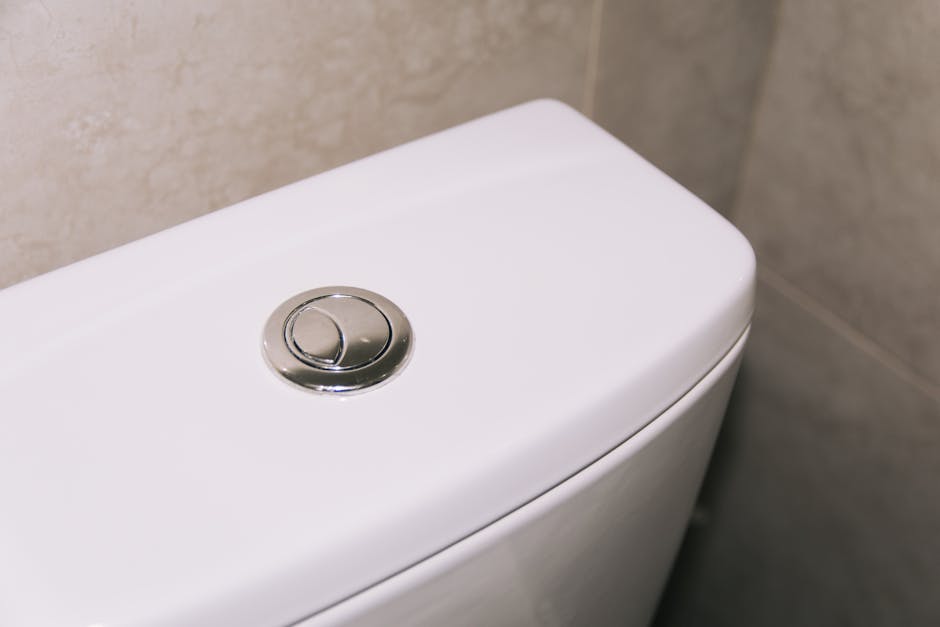
When Your Dual Flush Toilet Stops Working Right
Double flush toilet repair is something most homeowners can handle themselves with the right guidance. Here’s a quick overview of the most common issues and fixes:
| Problem | Most Likely Cause | Quick Fix |
|---|---|---|
| Flush closes immediately | Water level too low | Raise water level above oval valve windows |
| Ghost flushing | Worn or dirty seal | Clean or replace the flush valve seal |
| Bowl not clearing | Low flow or misrouted refill tube | Adjust refill tube; increase flow to max |
| Lever sticks up or down | Rubber spacer on tank lever | Remove the square rubber spacer |
| Weak flush | Blocked rim jets or dial set too low | Adjust green dial up one setting |
| Buttons stuck | Mineral buildup or worn parts | Clean mechanism or replace button assembly |
Dual flush toilets are smart, water-saving fixtures — but they have more moving parts than a standard single-flush toilet. That means more things that can go wrong.
The good news? Most problems are fixable without calling a plumber. A dual flush conversion kit can often be installed in 5 to 10 minutes, without tools and without removing the tank.
I’m Reese Mitchell, owner of Great Basin Plumbing, and over the years I’ve handled countless double flush toilet repair calls ranging from simple dial adjustments to full valve replacements. In this guide, I’ll walk you through every common issue — step by step — so you can get your toilet working properly again.
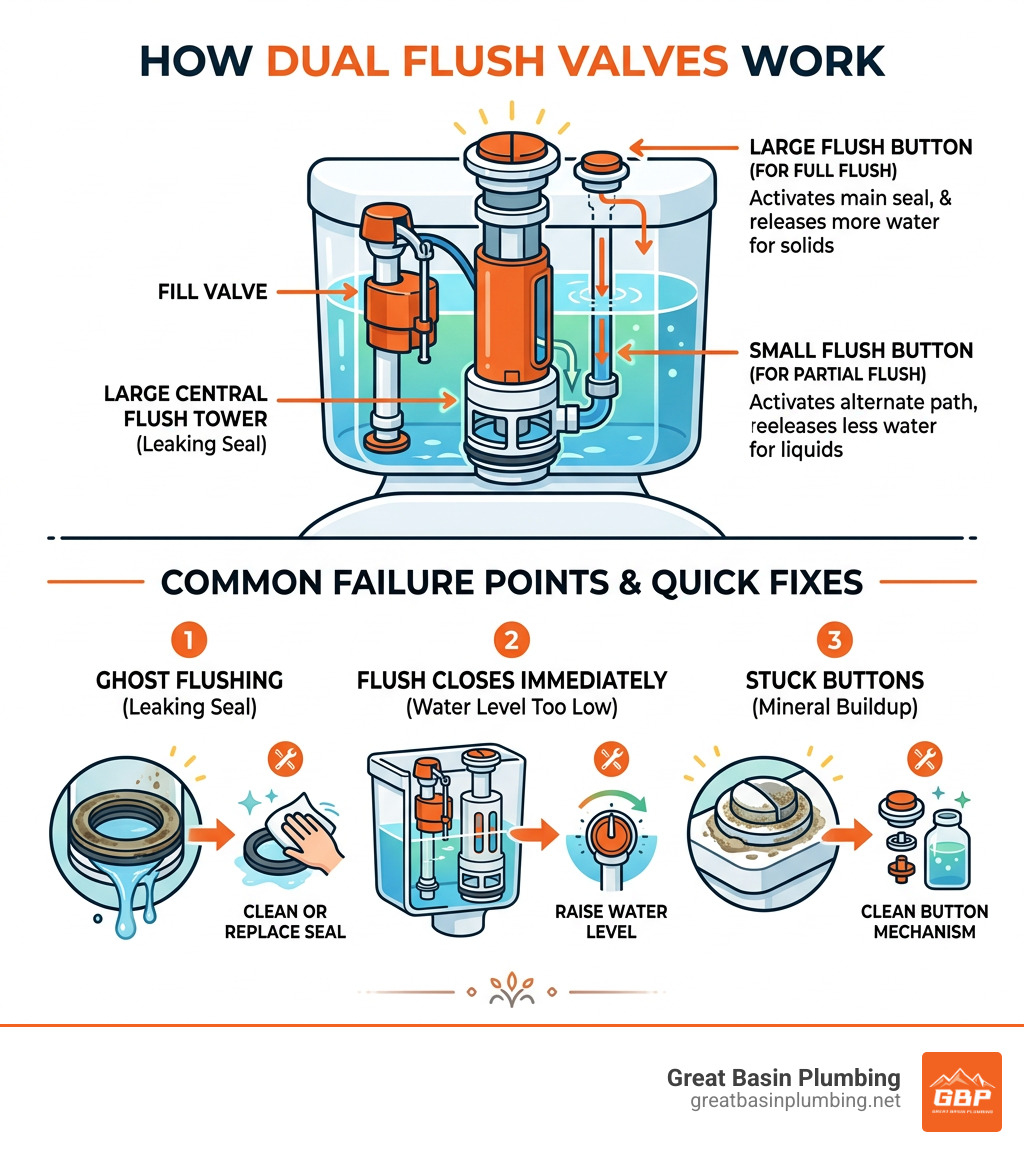
Troubleshooting Common Issues for Double Flush Toilet Repair
When we talk about a “double flush,” we’re usually referring to one of two things: a toilet that flushes twice when you only wanted it to once, or a modern dual-flush system (the kind with two buttons) that needs a tune-up. Whether you’re in Sandy or Orem, the physics of your porcelain throne remain the same.
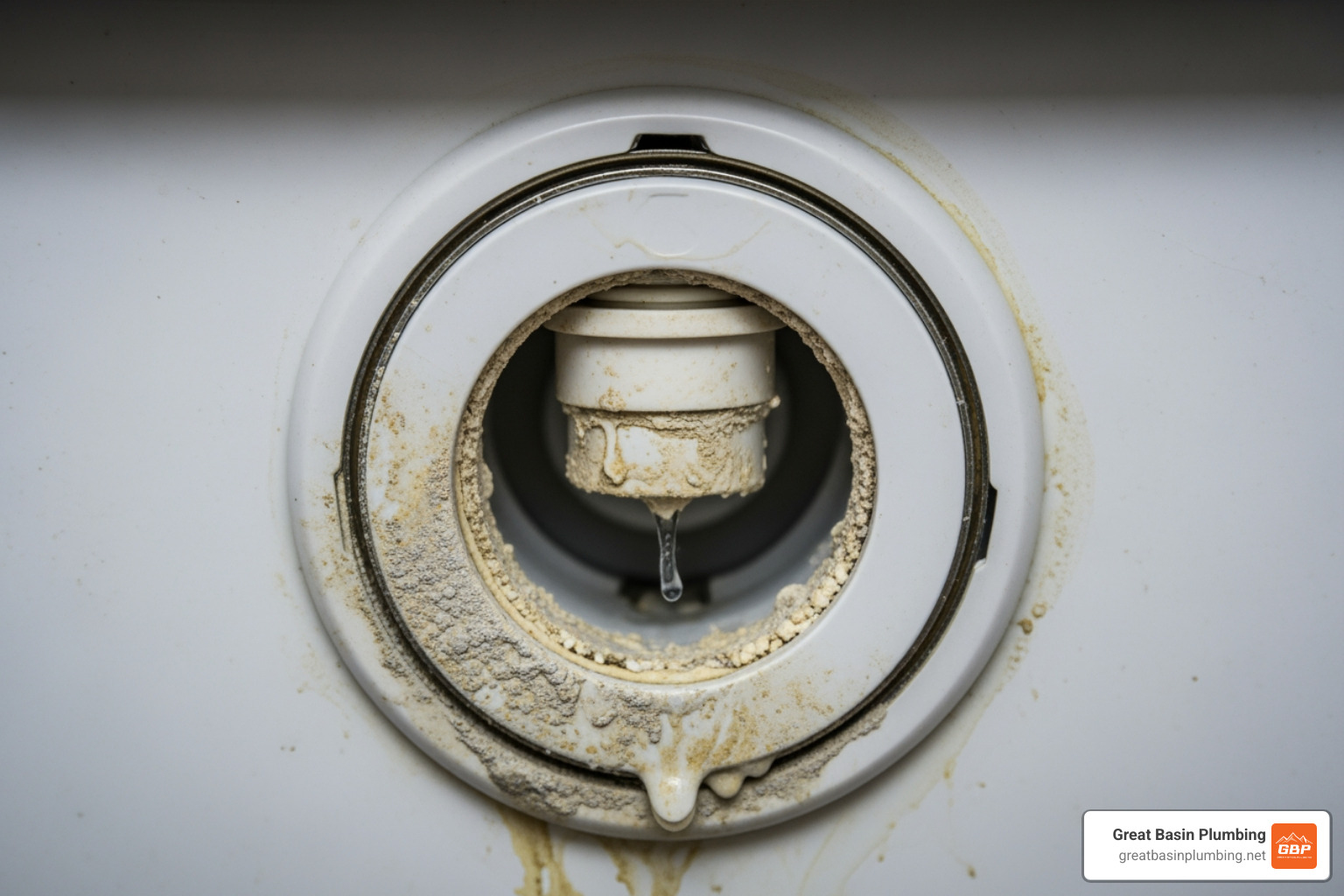
Common issues often stem from the flush valve seal. If that seal is degraded or covered in mineral deposits from our Utah hard water, it won’t sit flat. This leads to “ghost flushing,” where the toilet randomly refills itself because water is slowly leaking out of the tank and into the bowl.
Another frequent headache is the water level. If the water in your tank is too low, you won’t get enough “oomph” to clear the bowl, leading to a weak suction. Conversely, if it’s too high, water might constantly run into the overflow tube. If you’re looking for quality parts to start your journey, Toilet Repair made Easy is a great place to find universal kits that fit most standard setups.
Fixing Ghost Flushing and Periodic Fills
Ghost flushing is the plumbing equivalent of a haunted house—you’re sitting in the living room and suddenly hear the toilet running for no reason. This is almost always caused by a slow leak at the flush valve seal.
To fix this:
- Clean the Seal: Remove the dual flush valve canister (usually by gently rocking it away from the overflow pipe and pulling up). Clean the silicone or rubber seal and the plastic seat it rests on.
- Reshape the Putty: If your system uses an angled seat adapter, pull it up, turn it over, and reshape the putty ring to ensure a watertight bond.
- Check for Cracks: Inspect the overflow pipe itself. A hairline crack in the plastic can allow water to escape, triggering the fill valve to kick on periodically.
- Residue Check: Ensure no debris or “slime” is stuck to the base of the original flush valve unit. Even a tiny piece of grit can break the seal.
Adjusting Water Levels for Double Flush Toilet Repair
The water level is the “fuel” for your flush. In a dual-flush system, the water should typically sit about half-way to all the way over the “oval windows” on the flush valve canister.
If the water level is too low, the valve might close immediately after you press the button, leaving you with a half-finished job. To adjust this, locate the adjustment screw on your fill valve. Turning it clockwise usually raises the float height, allowing more water into the tank. Aim for the water line to be about an inch below the top of the overflow tube. If you have a cylinder-style float, you may need to squeeze the metal clip and slide the float up or down to set the desired height.
Step-by-Step Guide to Dual Flush Valve Maintenance
Maintenance is the key to longevity. Because dual flush toilets rely on specific volumes for “half” and “full” flushes, the settings need to be optimized. Most conversion kits, like those from Fluidmaster, use a color-coded system to help you dial in the performance.
| Setting Component | Function | Optimization Tip |
|---|---|---|
| Green Dial | Controls the Half-Flush (Liquids) | Lower by one number at a time until it fails to clear paper, then go back up one. |
| Blue Dial | Controls the Full-Flush (Solids) | Should generally be set 1–2 settings higher than the green dial. |
| Refill Clip | Controls water sent to the bowl | Set to ‘8’ or maximum flow to ensure the bowl refills to its highest capacity. |
Resolving a Weak Double Flush Toilet Repair
A weak flush is frustrating, especially when the “Quick Flush” setting is needed 4 out of 5 times for liquid waste. If your full flush isn’t clearing the bowl, check these three things:
- Rim Jets: Over time, mineral deposits clog the small holes under the rim of the bowl. Use a small wire or a stiff brush with vinegar to clear these out. If water can’t get into the bowl fast enough, you won’t get a strong siphon.
- Button Tension: If there is too much slack in the rods connecting the buttons to the valve, the valve won’t lift high enough. Adjust the rod length so there is minimal “dead space” when you press the button.
- Refill Tube: Ensure the small black tube from the fill valve is pointing directly down the overflow pipe. This refills the bowl water. If the bowl water level is too low before you flush, the siphon won’t start properly.
Addressing Sticking Levers and Buttons
If your buttons stay down or your lever won’t return to the horizontal position, friction is your enemy.
- Alignment: Ensure the activation box is snapped securely onto the tank lever. If it’s crooked, the internal spring won’t have enough tension to push the lever back up.
- The Spacer Trick: Many tank levers come with a square black rubber spacer. In many tanks, this spacer actually causes the lever to bind. Try removing the spacer and reinstalling the lever flush against the tank wall.
- Cleaning: Mineral buildup around the button housing can cause sticking. Pop the buttons out and soak the housing in vinegar to dissolve the “crust” that forms from hard Utah water.
How to Remove and Reinstall a Duo Flush Valve
The beauty of modern systems is that they are often tool-free. You don’t usually have to remove the tank from the bowl, which saves you from the nightmare of rusted tank bolts.
- Turn off the water: Always the first step! Flush to empty the tank.
- Remove the Canister: Most dual flush towers can be removed by twisting or un-clipping them from the base.
- The Activation Box: On newer versions, there is a small button on top of the box. Press it and pull the box away from the tank lever. On older versions, you simply grab the box and pull it toward the back of the tank.
- Reinstall: Slide the new valve onto the overflow pipe. Ensure the silicone gasket is seated firmly. Snap the activation box back onto the lever and ensure the cables aren’t tangled.
For more DIY inspiration and home maintenance tips, you can Get savings and tips directly from industry experts.
Recommended Replacement Parts and Compatibility
When performing a double flush toilet repair, choosing the right parts is half the battle.
- Fluidmaster 400AH / PerforMAX: This is a high-performance fill valve that allows you to adjust the bowl refill independently, which is crucial for dual flush systems.
- Danco HYR460: A fantastic universal conversion kit that works with standard 2-inch flush valves. It’s a tool-free, 10-minute fix.
- Compatibility Notes: Be careful if you have a Mansfield toilet; many use a unique “flush tower” that isn’t compatible with universal kits. Also, ensure you know if you have a 2-inch or 3-inch flush valve. Most newer, high-efficiency toilets use the larger 3-inch size.
Frequently Asked Questions about Dual Flush Systems
Why does my toilet close immediately after pressing the lever?
This is usually a water level or “float” issue. If the water level isn’t high enough to cover the oval windows on the valve, the weight of the water inside the canister won’t be enough to keep it open. Raise your water level. Also, check the “activation box”—if the rods or cables are too long, the valve isn’t being lifted high enough to engage the float mechanism.
How do I perform the toilet paper test to check my repair?
Once you’ve made your adjustments, drop 4–5 squares of toilet paper into the bowl. Use the “Half Flush” (Green Dial) setting. If it clears the paper completely, your setting is perfect. If it leaves paper behind, turn the green dial up by one number and try again. This ensures you’re using the absolute minimum amount of water necessary while still being effective.
When should I call a professional for flush valve issues?
While we love a good DIY project, some things require a pro. You should call us at Great Basin Plumbing if:
- Cracked Porcelain: If you see a crack in the tank or bowl, stop immediately. Porcelain is sharp and a failing tank can flood your home in minutes.
- Hidden Leaks: If your water bill is high but the “ghost flushing” fixes didn’t work, you might have a leak in the wax ring or the supply line.
- Mainline Clogs: If every toilet in the house is gurgling or backing up, the problem isn’t your flush valve—it’s your sewer line.
Conclusion
Mastering double flush toilet repair is a great way to save water, lower your utility bills, and gain a little bit of “handyman” pride. Most of these systems are designed to be user-friendly, allowing you to troubleshoot and swap parts in less time than it takes to watch a sitcom.
However, we know that life gets busy, and sometimes a “simple” plumbing fix turns into a Saturday-long ordeal. If you’re in Sandy, Salt Lake City, Draper, or anywhere across the Wasatch Front and you’ve hit a wall with your toilet, don’t sweat it.
At Great Basin Plumbing, we’re a local, family-owned team dedicated to keeping Utah’s pipes flowing. We offer 24/7 emergency services, honest upfront pricing, and a commitment to customer satisfaction that has kept us in business for years. Whether you need a simple valve adjustment or a full bathroom fixture upgrade, we’re here to help. Give us a call, and let’s get that flush back to full strength!