
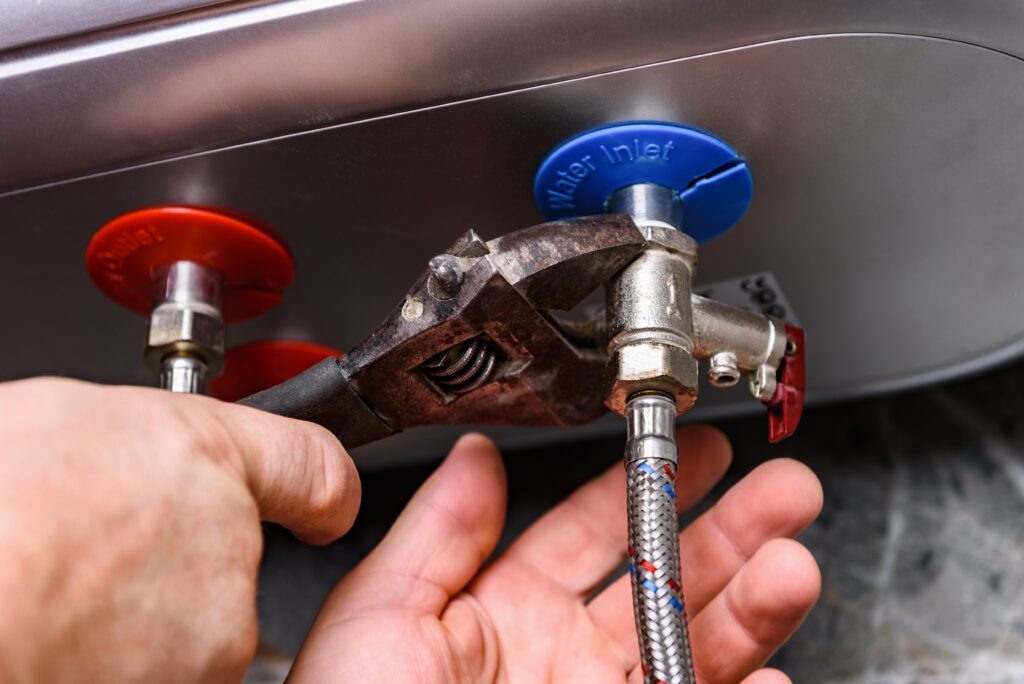
When cold weather hits, your water heater becomes one of the hardest-working appliances in your home. Whether you rely on gas water heaters, electric water heaters, or tankless water heaters, winter often brings increased usage, and with it, a higher risk of problems. Hot water is essential for showers, clothes washing, and daily comfort, and when your system starts to fail, it can lead to frustration and unexpected costs.
In this post, we’ll explore the most common winter water heater issues, offer practical tips to prepare your unit for the cold, and show how Great Basin Plumbing can help you stay warm and worry-free.
Why Winter Hits Water Heaters Hard
As temperatures drop, the water entering your home is significantly colder, meaning your system must work harder to heat water to your desired temperature. This added strain can expose or accelerate existing issues in your system, especially in older homes or units that haven’t been maintained.
Some of the most common winter water heater problems include:
- Sediment buildup inside the water heater tank that reduces efficiency and leads to foul odor
- Faulty heating elements or thermostats in electric water units
- Failing pilot light in gas units
- Leaks, corrosion, or cracks due to expansion and contraction
- Tripped breaker, blocked venting, or a stuck valve
- Insufficient hot water due to size, age, or sediment
In many cases, these issues can be prevented or minimized with routine maintenance.
Winter Water Heater Prep: What Homeowners Can Do
Want to avoid waking up to a freezing cold shower? Here are a few ways to protect your hot water heater before winter gets into full swing:
Flush the Tank
Drain the tank using the drain valve and a garden hose to remove sediment. This buildup reduces capacity and increases energy usage.
Check the Anode Rod
The anode rod prevents corrosion inside your tank. If it’s heavily worn or deteriorated, it should be replaced to extend your unit’s life. (Hint: Elite Plumbing can help!)
Insulate Pipes and Tank
Wrap your water heater tank and nearby pipes to retain heat and reduce energy usage, especially in cold basements or spaces without insulation.
Adjust the Temperature
Hot water typically means setting your thermostat to 120°F. Any higher, and you risk scalding or wasting more money on electricity or natural gas.
Inspect for Leaks
Check for loose inlet valves, water pooling around the base, or signs of moisture. Even small cracks or leaks can lead to major issues if left alone.
When to Call a Plumber
If you’ve done your part and are still dealing with inconsistent hot water, strange smells, or fluctuating temperatures, it’s time to call a pro. At Great Basin Plumbing, our experienced plumbers can:
- Flush and service many water heaters, both gas and electric
- Diagnose and fix issues with pilot lights, thermostats, fuel source, or venting
- Recommend the right replacement or new water heater if yours is outdated
- Help you choose between tankless and traditional models based on your household size and usage
- Ensure everything is installed safely, efficiently, and to code
We offer fast, honest service you can trust, especially when you’re dealing with winter’s worst.
Upgrade to Energy Efficient Solutions
If your current heater is more than 8–10 years old, or your utility bills are climbing, it may be time for an upgrade. We offer a wide range of energy-efficient, space-saving tankless water heaters as well as high-capacity gas and electric units for larger homes.
A new water heater not only delivers consistent hot water, but can also save money on your monthly power bill and reduce your need for repairs.
Call Great Basin Plumbing Before You’re Left in the Cold
At Great Basin Plumbing, we know how cold Utah winters can affect your home, and we’re here to help you stay one step ahead. Whether you need a quick fix, a full replacement, or help choosing between different types of systems, our friendly team is ready to assist.
Don’t wait until you’re out of hot water—contact us today to schedule water heater service or replacement.